four point fabric inspection system
Four-Point Fabric Inspection System for Buyers
Define the inspection standard, defect-size scoring, inspected length or area, calculation basis and acceptance rule before inspection. The score…
↗Inspect the fabric buyers will cut
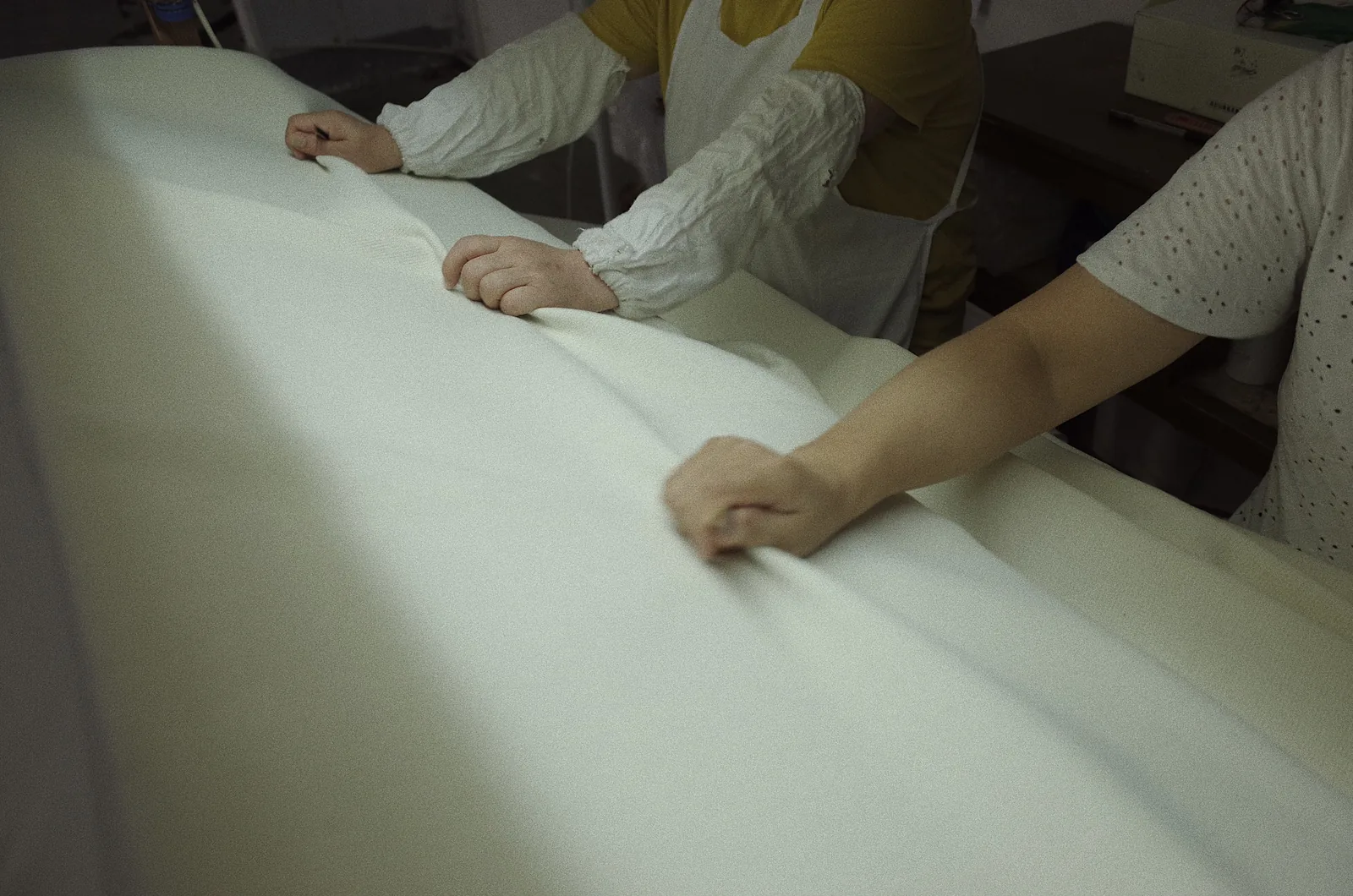
Plan roll inspection, defect grading, shade continuity, bow, skew, width, weight, laboratory reports and shipment release with traceable evidence.
36 focused questions in this cluster
Recommended decision path
Each question can stand alone, but these four gates keep sample enthusiasm from outrunning a measurable bulk plan.
Record the decision, responsible party and evidence before moving to the next gate.
Record the decision, responsible party and evidence before moving to the next gate.
Record the decision, responsible party and evidence before moving to the next gate.
Record the decision, responsible party and evidence before moving to the next gate.
Question library
four point fabric inspection system
Define the inspection standard, defect-size scoring, inspected length or area, calculation basis and acceptance rule before inspection. The score…
↗wool fabric roll inspection
Inspect identified rolls in the shipped condition for face, reverse where relevant, defects, shade, width, length, weight and packing. Record pos…
↗major minor fabric defects
Classification should reflect end use, visibility, garment position, repeat frequency and whether the defect prevents cutting or sale. Create exa…
↗fabric bow and skew inspection
Use an agreed method on relaxed finished fabric, measure representative positions and relate the result to checks, stripes and garment alignment.…
↗broken ends and picks wool fabric
Define how continuous, isolated and repaired yarn faults are graded, then map them by roll and position. The decision should consider visibility…
↗wool fabric neps slubs defects
Separate intentional woolen character from abnormal concentration, foreign matter or yarn thick places by using an approved full-width standard.…
↗oil stains wool fabric
Quarantine affected rolls, identify stain type and position, and avoid unapproved spot cleaning that may create rings, shade change or chemical r…
↗barre streaks wool fabric
Streaks can come from material, yarn count, twist, tension, density, dye uptake or finishing pressure. Inspect under agreed light and direction,…
↗wool fabric shade continuity
Prepare roll cuttings in a consistent direction, condition and view them under agreed lights, then arrange a shade sequence linked to lot and rol…
↗fabric width weight inspection
Set measurement positions and frequency based on roll length, process risk and order sensitivity, then report individual results instead of only…
↗fabric inspection sampling plan
AQL-style sampling can support lot decisions when the unit, defect categories and sampling basis are defined, but continuous roll goods also need…
↗third party fabric inspection
Provide the current specification, approved references, roll list, sampling plan, methods, defect rules, photographs and reporting template. The…
↗wool fabric lab report review
Check laboratory identity, report date, sample description, method, conditioning, units, individual results, requirements and any deviations. The…
↗pre shipment fabric inspection
Confirm finished quantity, roll identity, inspection status, shade grouping, width, packing, documents and agreed test evidence. Release should f…
↗fabric roll map cutting
A roll map links length, defects, shade, width and lot to each roll so the cutting room can group compatible material, avoid unusable sections an…
↗fabric defect claim resolution
Preserve affected material, roll labels, receiving and cutting records, photographs, test results and the approved standard. Define the quantity…
↗wool fabric face and back identification
Ask the mill to identify the intended face, reverse, nap direction and any reversible-use limits on a labelled full-width cutting. A smoother sid…
↗wool fabric test report sample identity
Match report sample description, article, composition, colour, finish, lot and submission date to the production material. Ask who selected the s…
↗wool fabric rework release checklist
Retain the original defect evidence and record exactly which rolls received which correction. Compare the approved trial with reworked bulk for t…
↗wool fabric defect map per roll
Locate defects by roll ID, length position and width zone with their classification and agreed disposition. Reconcile the map with labels and pac…
↗wool fabric defect score denominator
Check whether the score is reported per roll, per length or per area and how width enters the calculation. Apply the agreed scoring and denominat…
↗wool fabric inspection lighting nap
Agree lighting, viewing distance, fabric direction and face before judging surface or shade. Record conditions with defect evidence and compare r…
↗wool fabric inspection speed detection
Set inspection conditions appropriate to surface, pattern and defect visibility with the responsible inspector. Assess whether the chosen speed p…
↗wool fabric inspection both faces
Review whether reverse areas are exposed in reversible, unlined or detailed garments. Define the acceptance requirements for each used face and i…
↗wool fabric decorative neps contamination
Use approved full-size appearance examples and material descriptions to define acceptable effects. Compare particle character, frequency and dist…
↗wool fabric full width defects
Map where the fault interrupts the continuous usable length and apply the agreed inspection rule. Review garment-panel placement and any required…
↗wool fabric inspection acceptance disagreement
Compare the actual sample, lighting, method, defect classification and contract standard used by both parties. Preserve the disputed material and…
↗wool fabric random sample selection
Define the roll population and selection method before inspecting, with colour and lot coverage appropriate to the risk. Record selected roll IDs…
↗wool fabric repacking inspection traceability
Reconcile roll IDs, lengths, lots, shade groups and disposition with the final packing list and labels. Inspect whether repacking introduced comp…
↗wool fabric first bulk roll approval
Use the first roll to confirm the production direction, then maintain the agreed bulk inspection and lot controls. Later material or process chan…
↗wool fabric roll length measurement tension
Compare measurement method, handling tension, equipment and fabric condition before alleging a shortage. Reconcile lengths by roll and retain ori…
↗wool fabric inspection measurement tools
Identify the devices used for length, width, mass and any stated colour measurements, with suitability and verification records relevant to the m…
↗wool fabric failed test retest sampling
Retain the original report and specimen identity, review method or sampling issues, and agree the retest population and decision rule. A new pass…
↗wool fabric test result outlier
Ask the laboratory to review specimen identity, procedure and any defensible exclusion rule. Keep the original results and explain the authorized…
↗wool fabric defect photography scale
Take an overall location view, a clear close-up with scale and an image of the labelled roll or specimen. Record face, direction and lighting. Ph…
↗different wool fabric laboratory results
Keep the disputed material traceable and compare the reports before commissioning another test. Check whether both laboratories received comparab…
↗
Search intent: turn a reference into a controlled brief
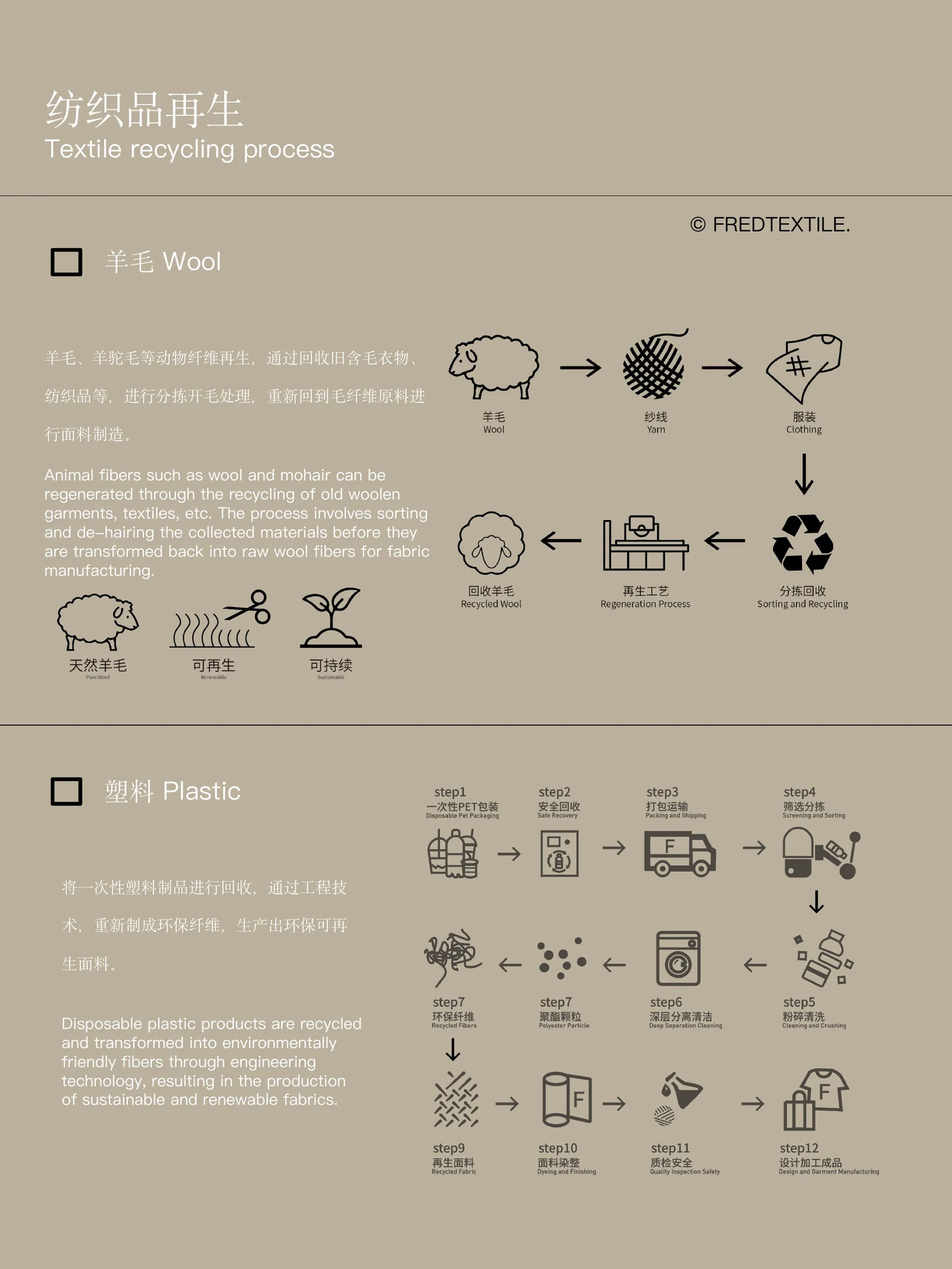
The supplied development-route material makes a useful reminder that a fabric reaches final inspection after several processes. A clean-looking card or initial cutting cannot prove the condition of finished rolls. Define the selected inspection method, defect categories, coverage, measured width and weight positions, shade grouping and the disposition authority before the shipment is produced.
A four-point system can help quantify visible defects, but it does not automatically settle shade, handfeel, usable width or end-use-critical issues. Send Fred Textile the buyer manual or order-specific thresholds so the report records the evidence the cutting room will actually need.
Fred Textile inspection evidence
Fred Textile inspection context connects roll identity, shade, width, weight, surface findings and final release. A buyer-ready plan defines methods, defect rules, segregation and the evidence needed before shipment or cutting.
Our integrated scope covers top dyeing, spinning, weaving, finishing, inspection and shipment coordination. Collection directions include classic woolen styles, firm single-faced blends, double-faced constructions, hairy special programs and recycled-material development.
Prepare colour and blended fibre direction before yarn formation.
Air and mule spinning support woolen and blended yarn preparation.
Build solids, checks, herringbones and structured woven constructions.
Develop piece-dyed colour, surface, handfeel and dimensional result.
Review colour, appearance, handfeel and agreed measurable controls.
Coordinate final inspection, order records and shipment arrangement.
Source boundary: capacity, staffing, investment and operating-day figures above are the published company-profile snapshot. Available capacity, construction, tests, certification scope, MOQ, price and lead time must be confirmed for the actual order.
Use the guides to prepare the brief
Fred Textile supports OEM and ODM development from order confirmation and raw-material allocation through spinning, weaving, finishing, final inspection and shipment. MOQ, testing, delivery and payment terms remain subject to the fabric program and contract.