woolen fabric
What Is Woolen Fabric? A Buyer-Focused Definition
Woolen fabric is woven from carded, comparatively lofty yarns and is normally selected when warmth, surface character and a softer hand matter mo…
↗Choose the material direction
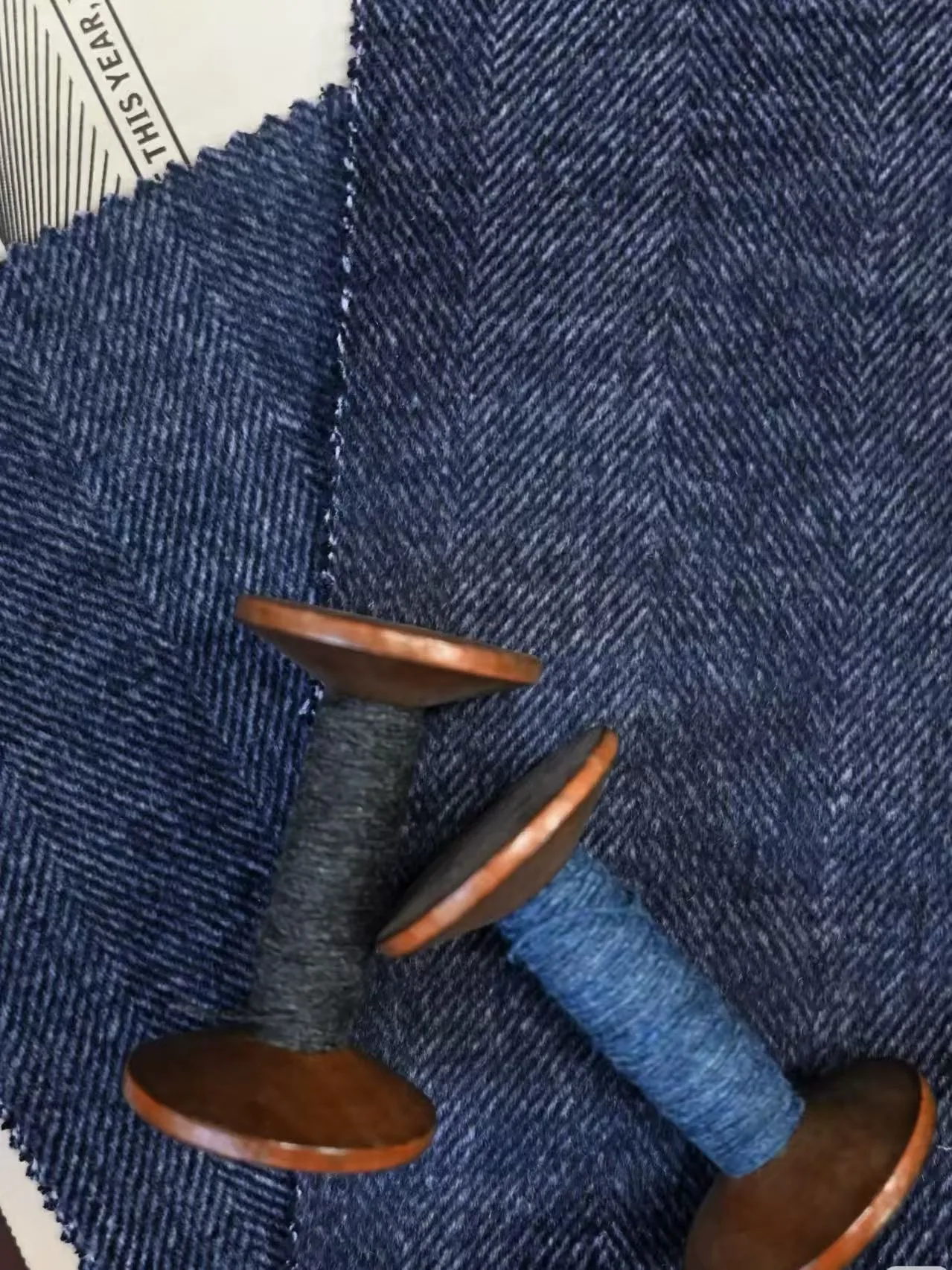
Compare woolen constructions, classic surfaces, double-faced cloth and practical fibre blends before requesting samples.
24 focused questions in this cluster
Recommended decision path
Each question can stand alone, but these four gates keep sample enthusiasm from outrunning a measurable bulk plan.
Record the decision, responsible party and evidence before moving to the next gate.
Record the decision, responsible party and evidence before moving to the next gate.
Record the decision, responsible party and evidence before moving to the next gate.
Record the decision, responsible party and evidence before moving to the next gate.
Question library
woolen fabric
Woolen fabric is woven from carded, comparatively lofty yarns and is normally selected when warmth, surface character and a softer hand matter mo…
↗woolen vs worsted fabric
Choose woolen construction for loft, warmth and a textured or napped surface; choose worsted construction for smoother, denser yarn definition, c…
↗melton wool fabric
Specify melton by its compact felted surface, intended coat structure, composition, weight, width and finishing performance. A useful approval sa…
↗wool flannel fabric
Wool flannel should be approved as a complete construction: blend, weight, weave, nap, softness and dimensional performance. Buyers should decide…
↗tweed wool fabric
A bulk-ready tweed program connects the visual yarn effect with repeatable construction, colour placement, usable width and garment performance.…
↗herringbone wool fabric
Control the herringbone repeat, yarn contrast, alignment, finished width and surface treatment. A good RFQ states how visible the chevron should…
↗boucle wool fabric
Source boucle by controlling loop-yarn character, surface density, ground stability and snagging risk. The desired visual depth should be approve…
↗double-faced wool fabric
Approve both usable faces, the bond or woven connection between layers, total weight, edge-finishing plan and shade relationship. Double-faced cl…
↗wool cashmere blend fabric
Evaluate a wool-cashmere blend through verified composition, fibre quality, surface finish, pilling, strength and the handfeel needed for the gar…
↗wool polyester blend fabric
A wool-polyester blend can improve dimensional stability, abrasion resistance and price control while retaining selected wool character. The righ…
↗recycled wool fabric
Treat recycled wool as both a material and a documented claim. Confirm the recycled input definition, applicable certification scope, composition…
↗mohair blend fabric
Check fibre identity, blend ratio, hair length, lustre, shedding, pilling and the base construction. Mohair character comes from both fibre and f…
↗alpaca blend fabric
Specify the alpaca blend by verified composition, target softness, surface length, weight, drape and resistance to shedding or pilling. A coat pr…
↗camel hair blend fabric
A workable camel hair blend combines verified fibre content with the chosen natural or dyed colour, smoothness, coat weight and bulk consistency.…
↗stretch wool blend fabric
Specify both stretch and recovery under the intended test method, then connect them to wool content, construction, pressing and garment fit. High…
↗wool-like polyester fabric
Use wool-like polyester when the brief prioritizes easy care, price consistency, abrasion resistance or a wool-inspired appearance without a wool…
↗stiff vs soft wool fabric
Compare bending, thickness, yarn structure and finish on conditioned cuttings, then drape both in the proposed garment panel. Equal weight does n…
↗scratchy wool fabric against neck
Review the intended skin-contact area, fibre character, protruding surface and garment construction with physical samples. A lining in the body d…
↗wool fabric loft vs density
Compare thickness, compressibility, airflow and garment lining alongside weight. Loft and compactness serve different design needs; neither alone…
↗open wool fabric transparency
Inspect the cloth over light and dark backing, under relevant lighting and across garment seams. A textured swatch may conceal openings that beco…
↗reversible wool fabric construction
Confirm how the layers connect and whether both surfaces are intended for exposure. Reversible use also requires workable edges, seams, closures…
↗brushed vs sheared wool fabric
Compare surface height, directional appearance, friction change and the intended garment contact zones. Ask how the proposed final route creates…
↗natural coloured wool fabric vs dyed
Ask whether the colour comes from undyed fibres, mixed fibre shades or a dyed component. Appearance alone cannot establish the route. Record blen…
↗felted appearance woven wool fabric
A heavily consolidated woven surface can obscure the yarn structure. Ask for the base construction and inspect the edge or reverse where appropri…
↗
Search intent: turn a reference into a controlled brief
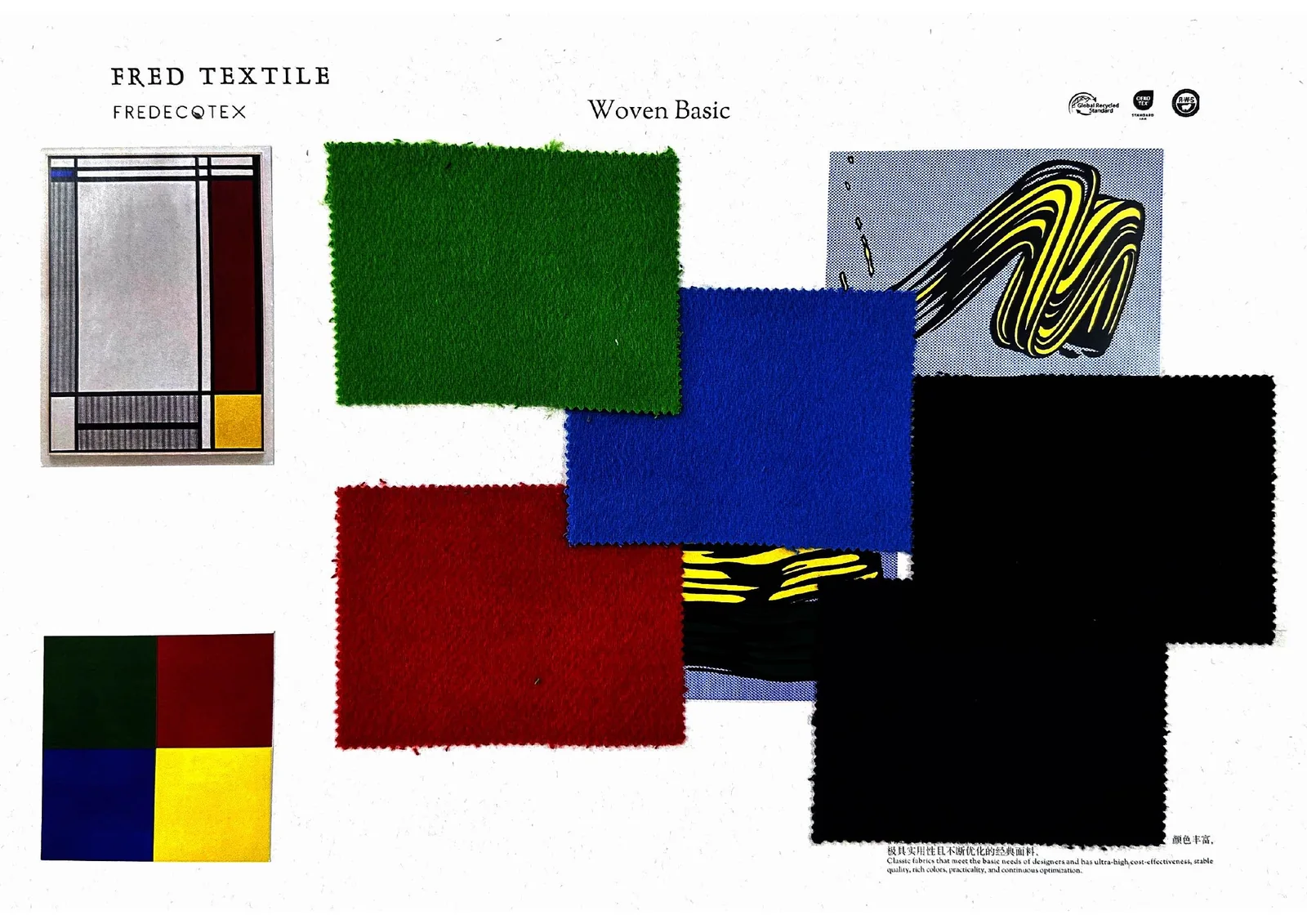
A tweed, flannel, melton or hairy surface can look persuasive in a development board while still leaving fibre percentage, yarn route, density, finished GSM, usable width and finish unstated. Use a chosen Fred Textile swatch as the visual starting point, then ask which inputs create its warmth, cover, loft and surface. The quote should identify the actual proposed construction—not only the family name.
Before sampling, mark what must remain stable in bulk: face and reverse, weight range, usable width, hairiness, drape and garment end use. A physical comparison under agreed handling conditions is more useful than treating a catalogue photograph as a production standard.
Construction from the Fred Textile factory floor
Classic tweed, flannel, melton, overcoating, single- and double-faced blends, hairy surfaces and recycled-material directions all depend on linked decisions in fibre preparation, spinning, weaving and finishing—not a collection name alone.
Our integrated scope covers top dyeing, spinning, weaving, finishing, inspection and shipment coordination. Collection directions include classic woolen styles, firm single-faced blends, double-faced constructions, hairy special programs and recycled-material development.
Prepare colour and blended fibre direction before yarn formation.
Air and mule spinning support woolen and blended yarn preparation.
Build solids, checks, herringbones and structured woven constructions.
Develop piece-dyed colour, surface, handfeel and dimensional result.
Review colour, appearance, handfeel and agreed measurable controls.
Coordinate final inspection, order records and shipment arrangement.
Source boundary: capacity, staffing, investment and operating-day figures above are the published company-profile snapshot. Available capacity, construction, tests, certification scope, MOQ, price and lead time must be confirmed for the actual order.
Use the guides to prepare the brief
The public collection library covers classic woolen styles, single-faced and double-faced blended weaves, hairy fibre directions and recycled-material programs.