nap direction wool fabric cutting
Nap Direction for Cutting Wool Fabric
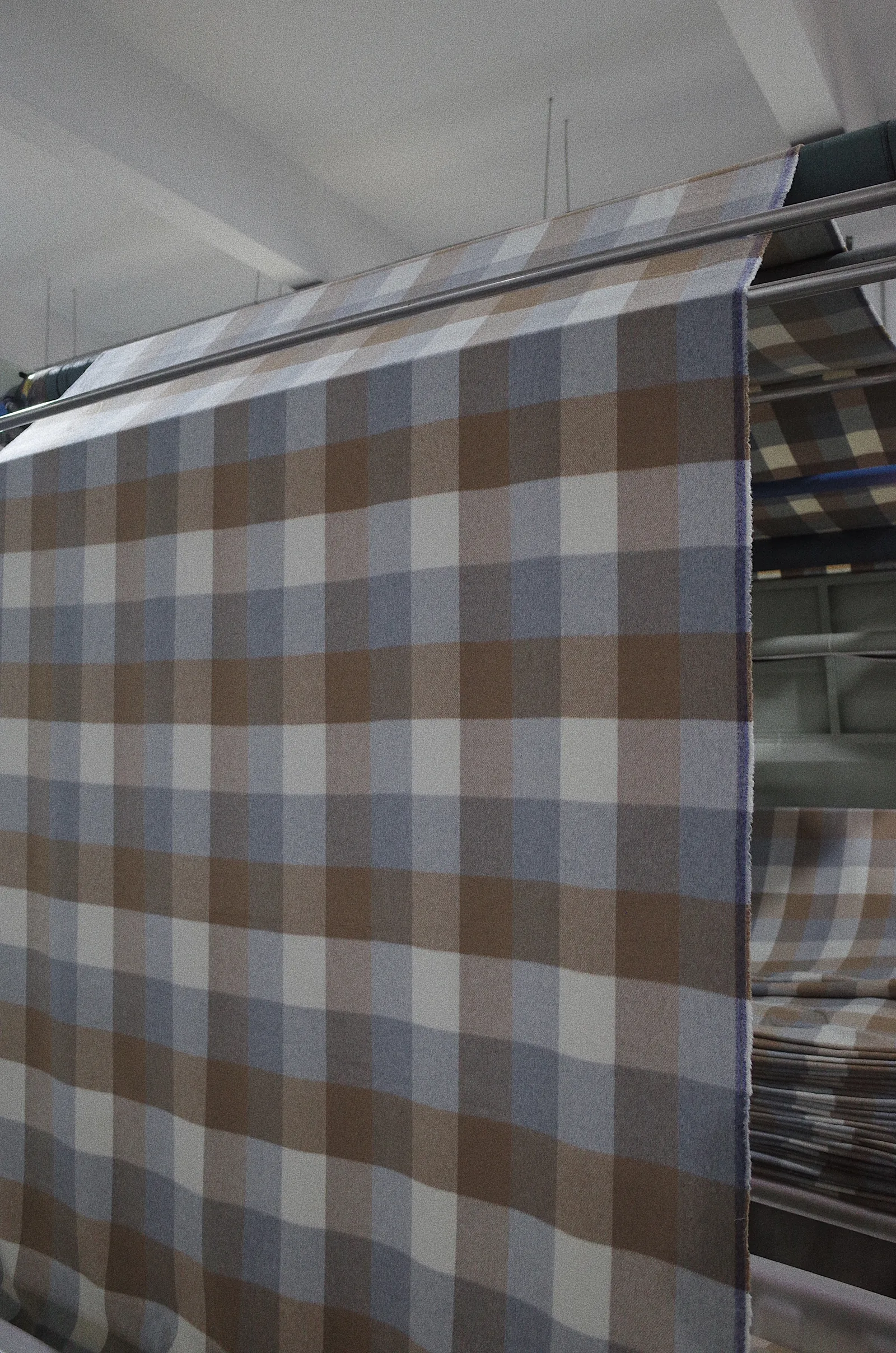
Raised, brushed or directional surfaces can change shade and reflectance when panels are rotated. Mark face and direction on rolls, use one-way m…
↗Prove the cloth in the garment
Connect wool fabric to relaxation, nap direction, pattern matching, fusing, pressing, seams, linings, marker yield and garment trials before bulk cutting.
50 focused questions in this cluster
Recommended decision path
Each question can stand alone, but these four gates keep sample enthusiasm from outrunning a measurable bulk plan.
Record the decision, responsible party and evidence before moving to the next gate.
Record the decision, responsible party and evidence before moving to the next gate.
Record the decision, responsible party and evidence before moving to the next gate.
Record the decision, responsible party and evidence before moving to the next gate.
Question library
nap direction wool fabric cutting
Raised, brushed or directional surfaces can change shade and reflectance when panels are rotated. Mark face and direction on rolls, use one-way m…
↗plaid matching wool garments
Use finished repeat dimensions, pattern symmetry, garment match points and usable width to build the marker and consumption. Trial a representati…
↗wool fabric relaxation before cutting
Set relaxation conditions and time from roll tension, construction, finish and garment sensitivity rather than one universal rule. Measure length…
↗fusing wool fabric
Trial the actual fabric, interlining, press, time, temperature and pressure, then evaluate bond, strike-through, bubbling, shade, handfeel and di…
↗pressing glaze wool fabric
Test production temperature, pressure, dwell, steam, vacuum and protective cloth on the actual shade and surface. Raised and dark fabrics may sho…
↗seam slippage wool fabric
Test the relevant directions, seam construction, stitch settings and garment stress areas using the agreed method. If yarn movement is excessive,…
↗seam puckering wool fabric
Puckering may come from feed imbalance, thread tension, differential shrinkage, needle choice, seam construction, pressing or unstable fabric. Re…
↗needle damage wool fabric
Match needle point and size to fabric density, yarn type, layers and stitch speed, then inspect immediately and after seam stress or care. If dam…
↗fraying open weave wool fabric
Assess edge loss, yarn mobility and seam security during cutting and handling, then select stabilization, seam allowance and finishing methods. C…
↗thick wool fabric seam bulk
Prototype the actual collar, lapel, hem, pocket and intersection builds, then adjust grading, trimming, seam type, interlining and pressing. Redu…
↗lining compatibility wool coat
Evaluate colour transfer, static, differential shrinkage, seam interaction, drape and wearer comfort using the intended shell, lining and care ro…
↗interlining selection wool fabric
Choose interlining by garment structure, fabric weight, surface, stretch and care, then test bond or sew-in behaviour on production-representativ…
↗buttonhole stability wool fabric
Test cutting, stitch density, thread, backing and reinforcement on the actual number of layers. Raised, loose or heavy fabrics may need different…
↗crease retention wool trousers
Evaluate fabric recovery, finishing, pressing conditions and the complete trouser care route. A sharp initial crease is not enough if knees bag,…
↗wool fabric marker yield
Usable width, nap direction, repeat, shade grouping, defect avoidance, garment sizes and matching points all affect consumption. Costing should u…
↗garment trial wool fabric approval
The trial should use representative fabric and confirm cutting, seam, fusing, pressing, lining, drape, comfort and care behaviour for the intende…
↗wool fabric needle holes vs yarn displacement
Examine the unsewn control, a needle-only trial and the completed seam before blaming the cloth or thread. Broken yarns, yarn displacement and se…
↗wool fabric fusing bubbles after care
Compare unfused shell, interlining and fused panels before and after the proposed care route. Investigate bonding uniformity, component dimension…
↗wool fabric adhesive strike through
Keep unfused and fused cuttings from the same area and inspect both sides under consistent light. Confirm whether marks are adhesive penetration,…
↗wool fabric lining differential shrinkage
Yes: shell, lining, interlining and seam construction can move differently even when individual materials meet their own limits. Mark and measure…
↗wool fabric plies sliding during spreading
Compare a short controlled lay with the production lay, checking surface direction, tension, ply height and handling. A soft or slippery finish c…
↗wool fabric cut edge curl
Record whether curling starts immediately, after relaxation or after steam exposure. Compare warp and weft edges from the same roll and review sp…
↗wool fabric cutting notches visibility
Choose a marking or notch method that remains visible through handling without cutting excessively into the seam allowance or leaving a permanent…
↗wool coat button impressions
Inspect whether impressions align with buttons underneath a pressing layer, folded garment or packed stack. Compare a protected pressing trial an…
↗wool coat seam ridge show through
Compare the face with the seam allowance underneath and examine the pressing support. Trial grading, allowance position or a suitable protective…
↗wool garment hem rolling
Compare the unfinished hem, stitched hem and garment after pressing or care. Review allowance bulk, stitch tension, lining length and shrinkage d…
↗wool coat zipper waviness
Measure the relaxed panel and zipper tape before sewing, then compare a controlled seam trial. Unequal feeding, tape tension, panel stretching or…
↗wool coat pocket bag print through
Examine the pocket outline under the intended lighting and garment fit, separating colour contrast from seam bulk or compression. Compare a lower…
↗wool coat collar shape loss
Compare the approved collar build with failed garments, checking grain direction, support material, seam allowance and the finishing route. Evalu…
↗wool blend needle heat marks
Examine marks along the stitch path and compare needle condition, sewing speed and thread or fibre residues. Where synthetic components are prese…
↗wool fabric sewing feed imbalance
Mark equal lengths on both plies before sewing and compare the finished positions, alongside a relaxed seam trial. Review presser-foot pressure,…
↗wool fabric stitch density selection
Compare seam strength, yarn displacement, needle damage and appearance using the intended thread, needle and allowance. More stitches can create…
↗wool fabric blind stitch marks
Check how much face material the stitch catches, along with needle, tension and local thickness. Trial settings across representative portions of…
↗wool fabric overlock edge stretch
Measure a relaxed cut edge before and after the operation and compare feed, thread tension and operator handling. Trial the machine adjustment re…
↗wool fabric edge binding distortion
Compare binding length, orientation, tension and dimensional response with the outer panel. Review thickness at curves and joins. Trial the full…
↗wool coat sleeve setting pucker
Compare pattern ease, notch positions, seam feeding and support before changing the cloth. Review the sleeve shape after pressing and recovery on…
↗wool coat shoulder pad outline
Check pad shape, edge transition, support layers and the garment fit under representative light. Compare an alternative assembly without changing…
↗wool garment pattern direction mistake
Separate affected panels and compare nap, grain and pattern direction against the cutting plan. Assess appearance under the intended garment orie…
↗wool fabric dart tip bulk
Compare pattern shape, stitch termination, allowance handling and pressing support on a full panel. Heavy or lofty coating may respond differentl…
↗wool coat facing rolling out
Compare facing and front-panel dimensions, support, seam position and pressing with the approved garment. Trial the complete front opening throug…
↗wool fabric cutting knife drag
Compare cut accuracy at the top, middle and bottom of the lay, along with blade condition and the cutting setup. Have the cutting technician tria…
↗wool fabric cut panel roll traceability
Use a workable bundle or panel identification system linked to roll, shade group and cutting lay. Keep the record through assembly without markin…
↗wool coat seam tape compatibility
Evaluate the exact tape with the finished cloth and assembly, including adhesion, surface appearance, flexibility and intended care. Heat, pressu…
↗wool fabric seam opening after wear
Inspect whether thread broke, cloth tore, yarns slipped or the allowance frayed. Retain worn and unworn comparative seams with the actual needle,…
↗wool jacket elbow bagging
Compare the garment fit, sleeve shape, fabric direction and worn-panel recovery. Review a representative wear trial and the intended care process…
↗wool coat belt stretching
Compare belt direction, reinforcement, seam construction and concentrated use loads with the coat body. Trial the complete belt and fastening arr…
↗wool fabric label stitching damage
Inspect the attachment area for needle damage, tension distortion and rubbing from label edges. Trial the proposed location and method on the com…
↗wool fabric panel dimensions after fusing
Mark consistent reference points on the relaxed panel, measure before processing and compare after the agreed recovery period. Record the exact i…
↗wool coat hanging twist
Compare panel grain, cutting direction, garment balance and movement of lining or support layers. Inspect both unpressed and finished garments fr…
↗wool fabric sewing trial record
Record roll identity, cloth direction, layer stack, needle, thread, stitch and machine setup with the seam specimen. Include pressing, care and t…
↗
Search intent: turn a reference into a controlled brief
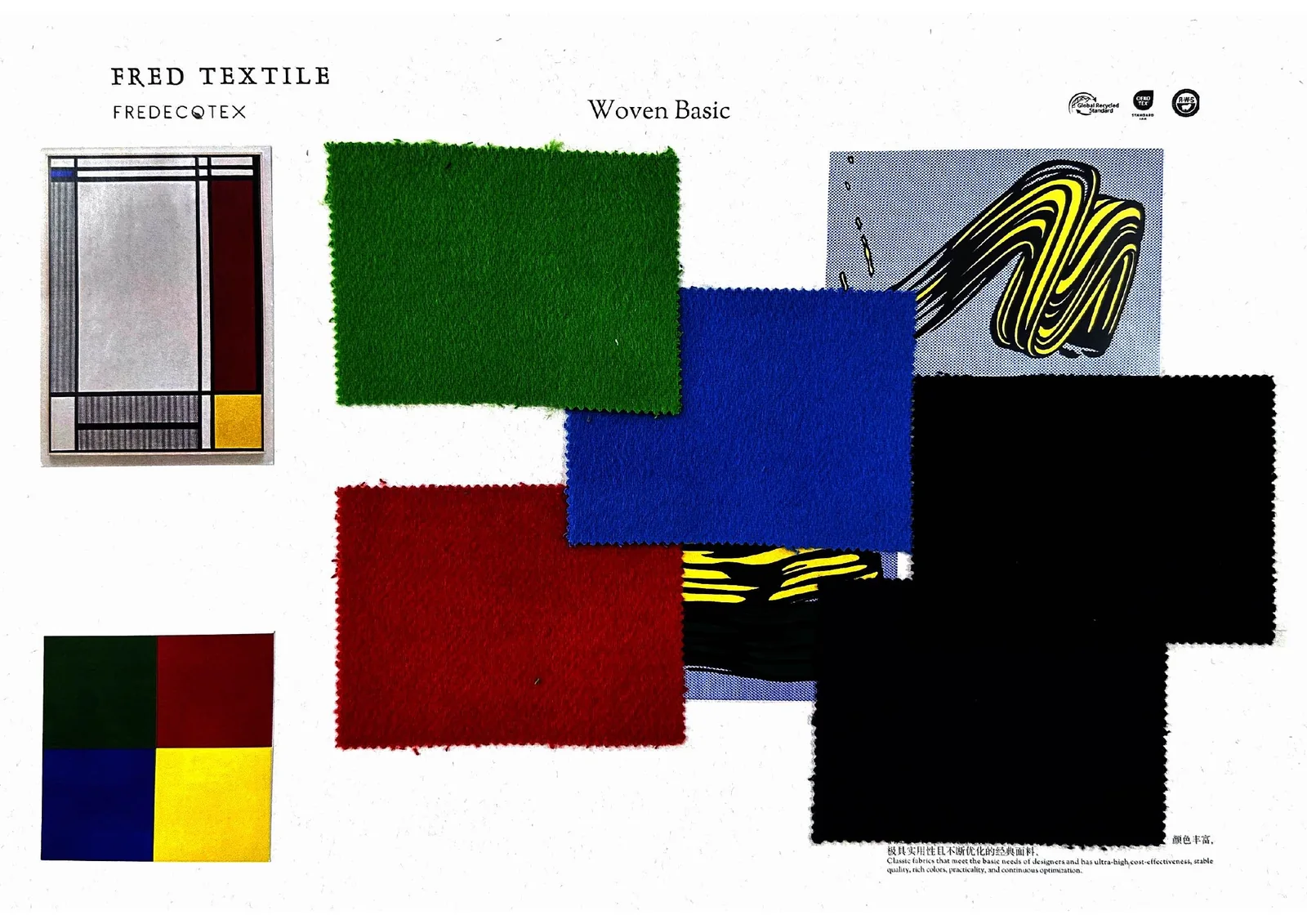
A Fred Textile trend board can help designers select texture and colour, yet it cannot predict marker loss, directional cutting, fusing, seam appearance, pressing or lining interaction. Add these garment decisions to the fabric brief early and test them using representative fabric. For patterned or raised surfaces, retain face direction and full-width references so the garment maker can plan the cut correctly.
If a trial exposes a problem, record whether the correction belongs to fabric, garment process or both. That evidence gives Fred Textile a specific development target instead of a general request to make the material “easier to sew.”
Fred Textile fabric prepared for garment making
Fred Textile can review fabric direction, surface, construction and finishing against the intended garment build. Production trials help convert a good swatch into a stable cutting and sewing plan.
Our integrated scope covers top dyeing, spinning, weaving, finishing, inspection and shipment coordination. Collection directions include classic woolen styles, firm single-faced blends, double-faced constructions, hairy special programs and recycled-material development.
Prepare colour and blended fibre direction before yarn formation.
Air and mule spinning support woolen and blended yarn preparation.
Build solids, checks, herringbones and structured woven constructions.
Develop piece-dyed colour, surface, handfeel and dimensional result.
Review colour, appearance, handfeel and agreed measurable controls.
Coordinate final inspection, order records and shipment arrangement.
Source boundary: capacity, staffing, investment and operating-day figures above are the published company-profile snapshot. Available capacity, construction, tests, certification scope, MOQ, price and lead time must be confirmed for the actual order.
Use the guides to prepare the brief
The public collection library covers classic woolen styles, single-faced and double-faced blended weaves, hairy fibre directions and recycled-material programs.