wool fabric lab dip approval
Wool Colour Lab Dip to Bulk Approval Guide
Define the target standard, light sources, viewing geometry, substrate and acceptable difference before reviewing submissions. A lab dip selects…
↗Make colour approval production-ready
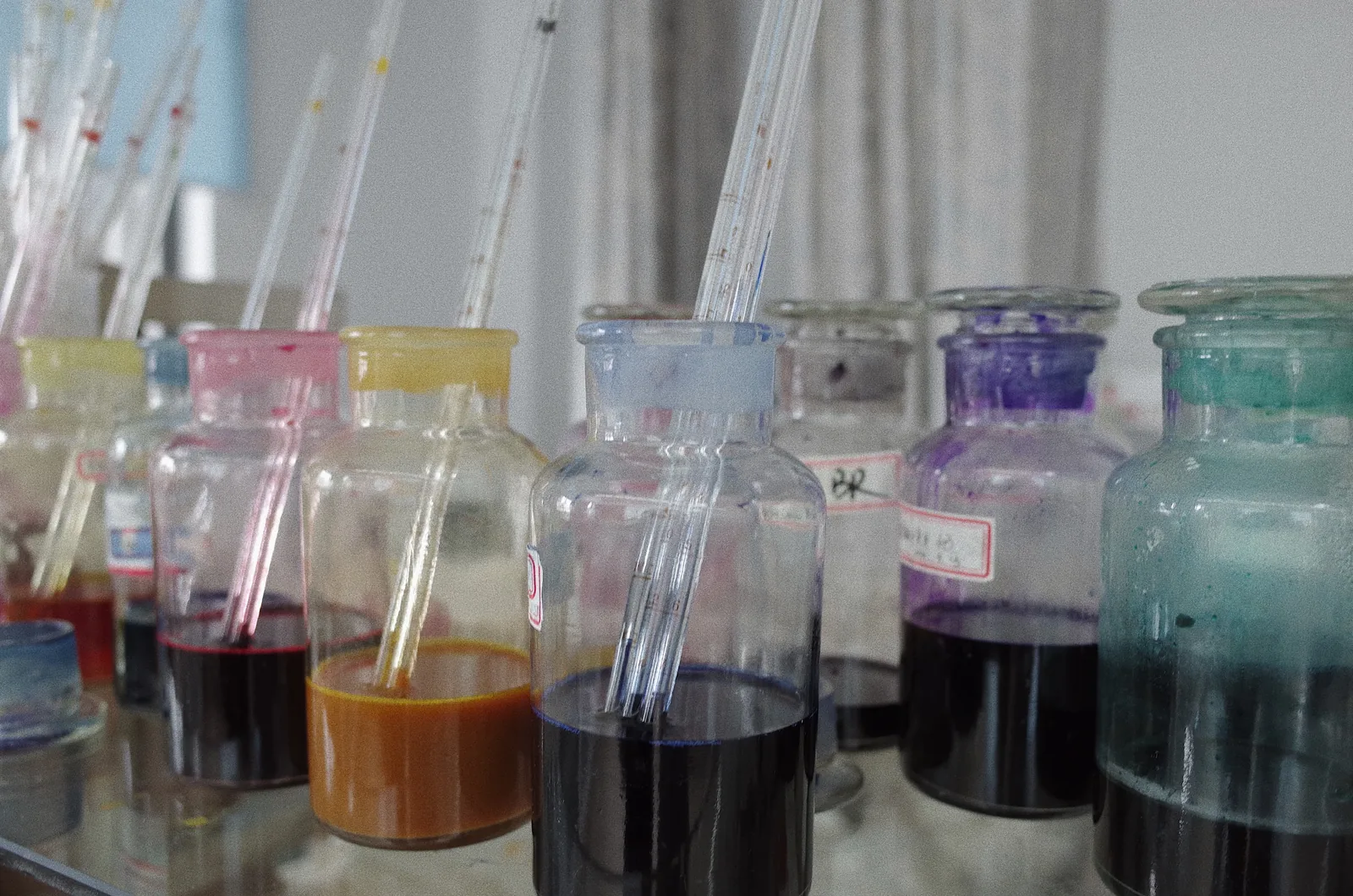
Control lab dips, light-source matching, mélange and piece-dyed colour, checks, stripes, repeats, shade bands and bulk colour continuity.
30 focused questions in this cluster
Recommended decision path
Each question can stand alone, but these four gates keep sample enthusiasm from outrunning a measurable bulk plan.
Record the decision, responsible party and evidence before moving to the next gate.
Record the decision, responsible party and evidence before moving to the next gate.
Record the decision, responsible party and evidence before moving to the next gate.
Record the decision, responsible party and evidence before moving to the next gate.
Question library
wool fabric lab dip approval
Define the target standard, light sources, viewing geometry, substrate and acceptable difference before reviewing submissions. A lab dip selects…
↗wool fabric colour light sources
Choose light sources that represent store, daylight and any buyer standard relevant to the market, then keep booth settings and viewing condition…
↗wool fabric metamerism
Metamerism occurs when spectral differences create a match under one illuminant and a mismatch under another. Fibre blends, dyes and finishes can…
↗Delta E wool fabric colour
Use the agreed colour-difference equation, instrument geometry, illuminant, observer and sample preparation, then combine the number with trained…
↗bulk shade band wool fabric
A useful shade band shows representative light, centre and dark pieces linked to identified production lots or rolls. Buyers should approve the r…
↗wool fabric dye lot control
Plan quantity by colour and garment matching need, identify each dye or finish lot, compare under agreed lights and preserve roll mapping through…
↗top dyed melange wool fabric
Approve the fibre-colour blend, yarn appearance, full-width fabric balance and finished surface because mélange is created by distribution rather…
↗piece dyed wool fabric colour
Connect the greige construction, fibre blend, pretreatment, dye recipe, finishing and final width because each can affect shade and levelness. La…
↗yarn dyed wool check fabric
Provide the check artwork or physical reference, exact repeat, yarn-colour standards, stripe order and finished-width expectation. Approve a wove…
↗plaid repeat wool fabric
State horizontal and vertical repeat, dominant lines, symmetry, direction and acceptable alignment after finishing. The garment team should calcu…
↗houndstooth wool fabric
Approve motif scale, colour contrast, edge definition, weave balance and post-finish appearance. Fine houndstooth can blur through raising or mil…
↗windowpane wool fabric
Define ground colour, line colour, line thickness, repeat, symmetry and the garment’s matching requirement. Review the full width because sparse…
↗chalk stripe wool fabric
Define whether the stripe should appear soft and broken or fine and crisp, then lock width, spacing, yarn colour and finish. Tailoring trials sho…
↗solid colour wool fabric
A solid colour program still needs a controlled standard, light-source review, surface direction, shade range and roll continuity plan. Raised or…
↗dark wool fabric colour transfer
Test relevant dry and wet rubbing, care conditions and contact with pale linings or trims. Distinguish loose coloured fibre from dye transfer on…
↗seasonal wool fabric colour card
Use trend directions to shortlist families, then convert selected colours into identified standards, intended constructions, quantity by colour a…
↗old wool fabric colour card availability
Use the card as a colour reference, not as a current availability list. Ask whether the article, yarn colour and finish still exist and whether r…
↗wool fabric pattern repeat after finishing
Use the approved finished repeat measured in warp and weft, not only the loom design or greige cutting. Finishing can change dimensions, and a re…
↗wool fabric colour retail LED
Agree the primary approval light and review relevant retail lighting with physical cuttings. Record any accepted difference rather than demanding…
↗wool fabric colour large panel approval
Review a larger representative panel when surface, mélange or pattern scale influences visual perception. Compare it with the same reference unde…
↗wool fabric lab dip substrate mismatch
Check whether the lab specimen represents the ordered blend, construction and final surface. A different substrate can respond or appear differen…
↗wool fabric colour standard replacement
Compare retained duplicates or the original approval record and authorize a new labelled control with both parties. Do not silently use a faded,…
↗wool fabric melange component colours
Compare component fibre or yarn colours, their planned proportions and the finished surface with the approved range. A single average colour read…
↗wool fabric check colour sequence
Compare the complete approved repeat in both directions, including yarn-colour order, stripe widths and intersections. Record the finished repeat…
↗wool fabric asymmetric check cutting
Identify which direction or face reversal changes the pattern and trial matching on actual panels. Mark the approved orientation and include it i…
↗wool fabric stripe width variation
Measure identified finished repeats in both relevant directions and compare them with the approved pattern standard. Review local and between-rol…
↗wool fabric pattern centering consumption
Identify which panels and sizes need pattern centring, then run a representative marker with the finished repeat and usable width. Review panel p…
↗wool fabric check distortion pressing
Compare unpressed and pressed marked panels using the actual making route. Record directional dimensions, support and handling rather than correc…
↗wool fabric shade band acceptance
Compare the extreme and middle cuttings under agreed conditions and define compatible garment groups. Review quantity, roll allocation and replen…
↗wool fabric panel shade nap direction
Compare panels in a consistent nap direction and viewing angle with identified roll origins. If the mismatch disappears when orientation is align…
↗
Search intent: turn a reference into a controlled brief
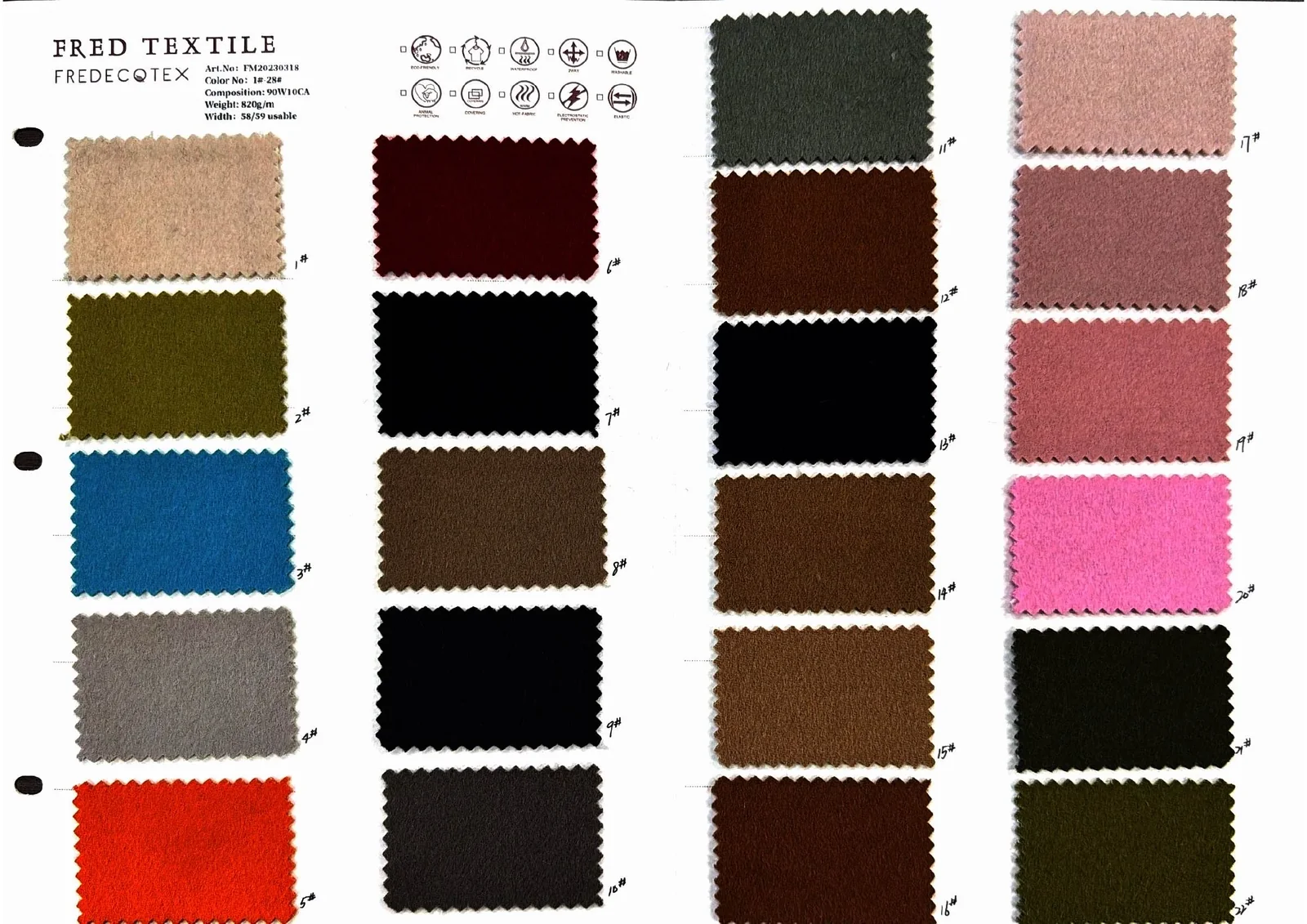
The Fred Textile colour-card pages show real physical swatches, which is more useful than an uncalibrated screen, but the same colour can shift across fibre blends, yarn routes, weights, surfaces and light sources. Name the target standard, substrate, viewing lights, submission number and colour quantity. For checks and stripes, also lock repeat, direction, full-width balance and post-finish appearance.
Request a lab or yarn-dyed development stage where appropriate, then a production-representative bulk shade review. Keep approved light, centre and dark references tied to lot and roll identity so garment cutting can respect the agreed range.
Colour development with Fred Textile
Fred Textile colour and pattern work can connect lab evaluation, top-dyed or piece-dyed routes, yarn placement, repeat scale and finished shade review. Buyers should keep light source, tolerance and lot continuity visible in the order file.
Our integrated scope covers top dyeing, spinning, weaving, finishing, inspection and shipment coordination. Collection directions include classic woolen styles, firm single-faced blends, double-faced constructions, hairy special programs and recycled-material development.
Prepare colour and blended fibre direction before yarn formation.
Air and mule spinning support woolen and blended yarn preparation.
Build solids, checks, herringbones and structured woven constructions.
Develop piece-dyed colour, surface, handfeel and dimensional result.
Review colour, appearance, handfeel and agreed measurable controls.
Coordinate final inspection, order records and shipment arrangement.
Source boundary: capacity, staffing, investment and operating-day figures above are the published company-profile snapshot. Available capacity, construction, tests, certification scope, MOQ, price and lead time must be confirmed for the actual order.
Use the guides to prepare the brief
Fred Textile shares public colour, surface and seasonal development directions for woven woolen and blended fabric programs.