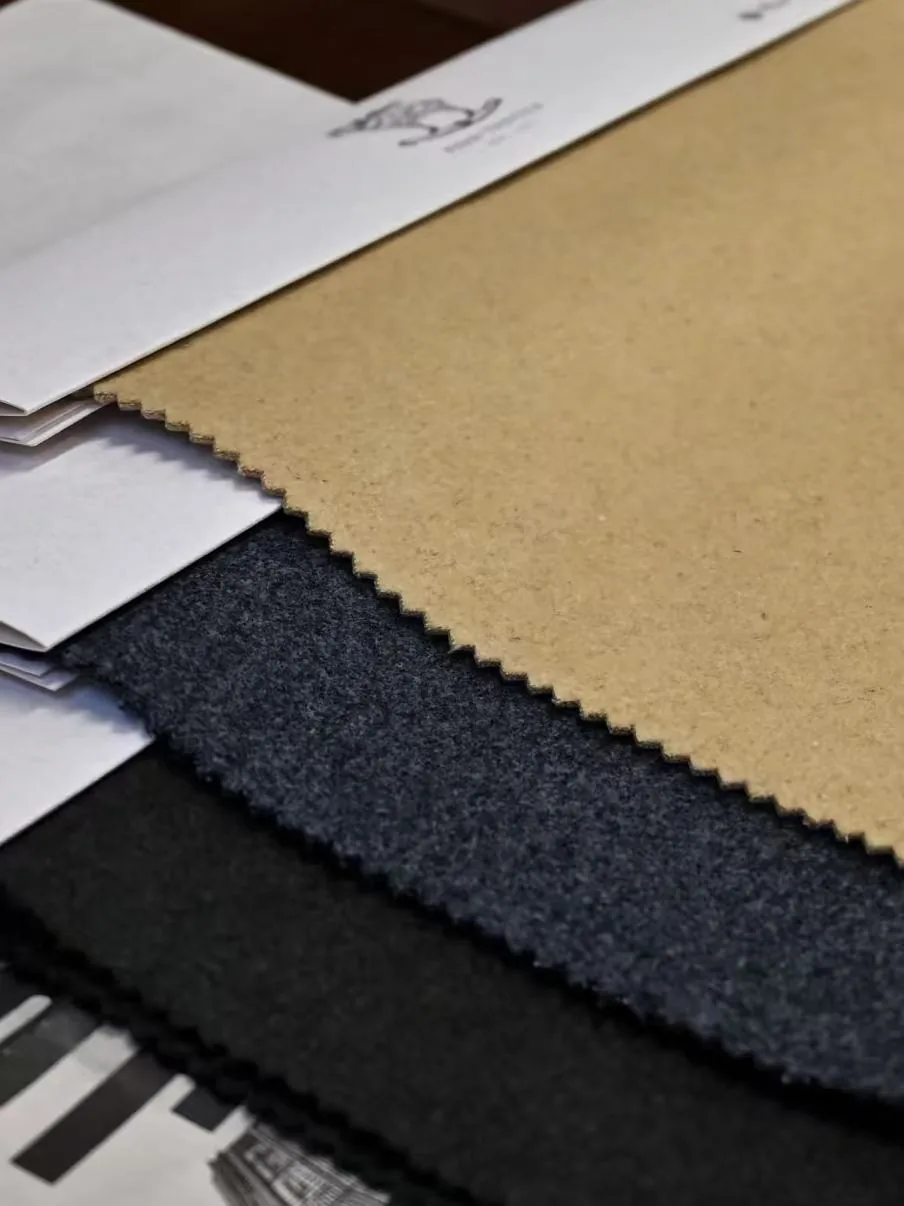
Melton coating
A compact coat silhouette: compare density, bend and seam bulk.
Fred Textile woolen fabric factory · China · Since 1995
Source woven woolen and blended fabrics with Fred Textile. Compare melton, flannel, tweed and double-faced coating for coats and jackets; build a clear sample brief before your bulk order.
Before you request a price
China woolen fabric · Fred Textile
Explore material choices, then send Fred Textile your sample brief. These real supplied photographs illustrate fabric and mill context, not a live stock list or a specification guarantee.
A compact coat silhouette: compare density, bend and seam bulk.
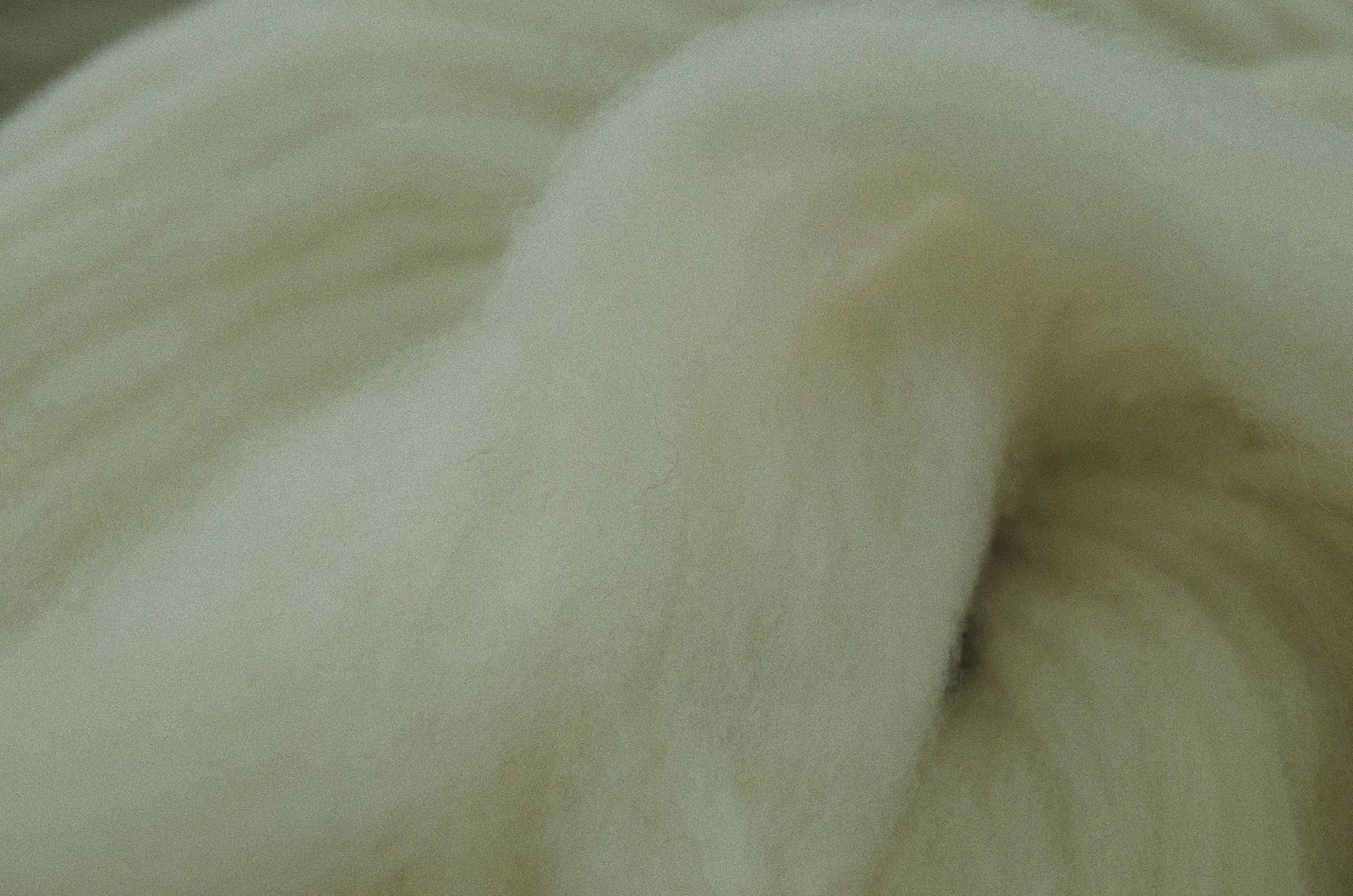
Choose the right drape and surface for trousers, jackets or coats.
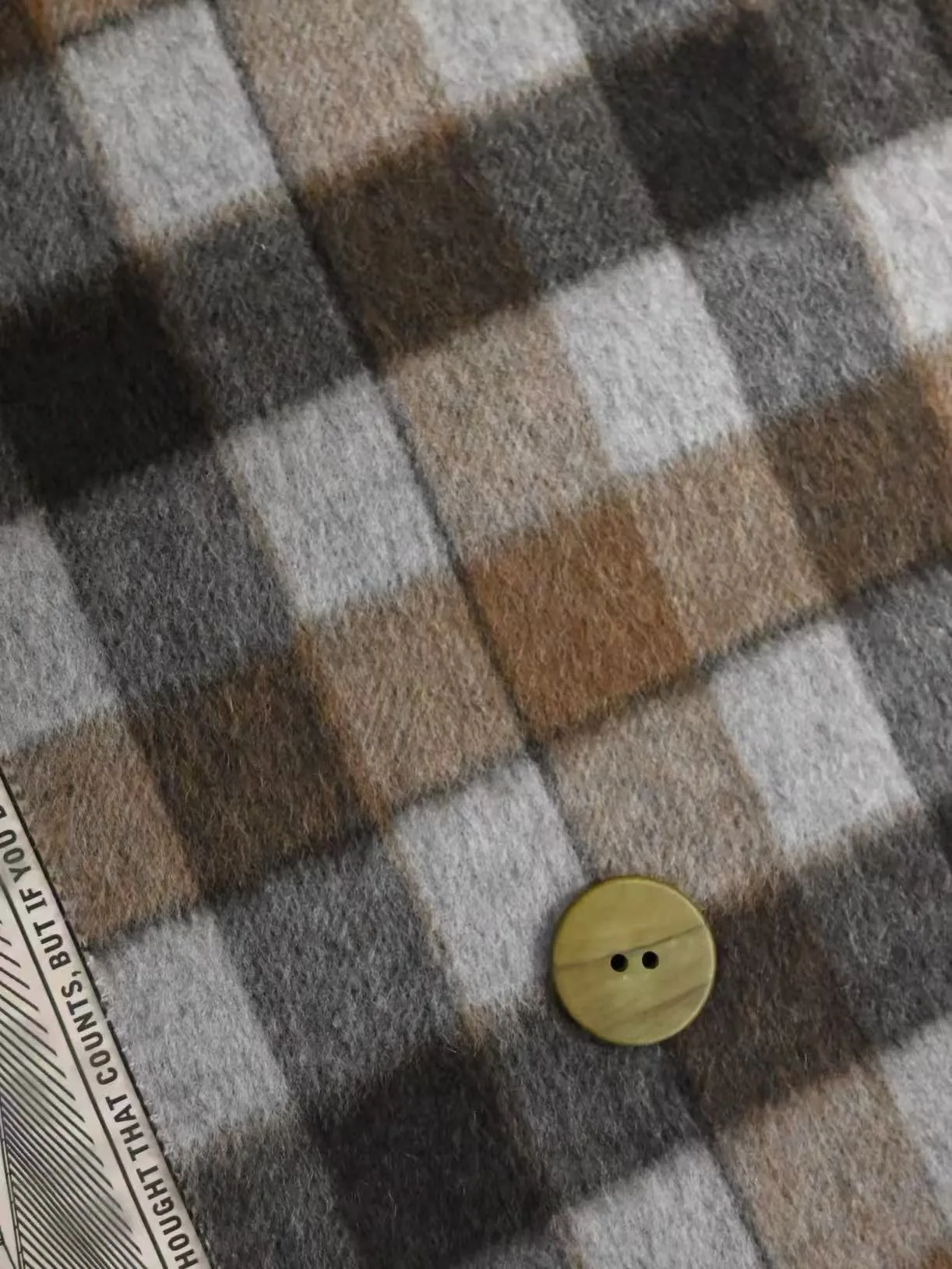
Check pattern scale, yarn effects and garment cutting yield.
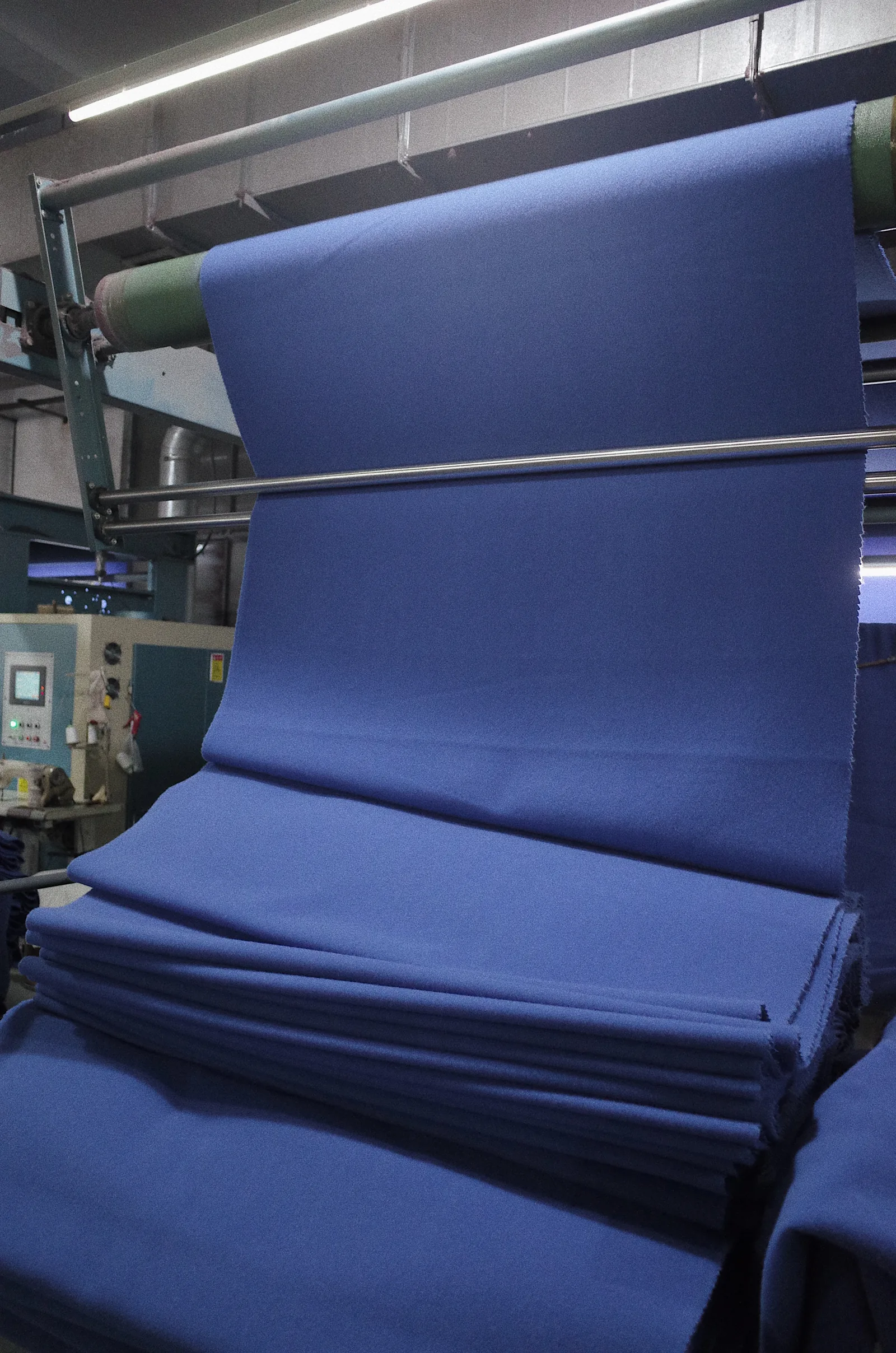
Review both faces, layer connection and hand-finished edges.
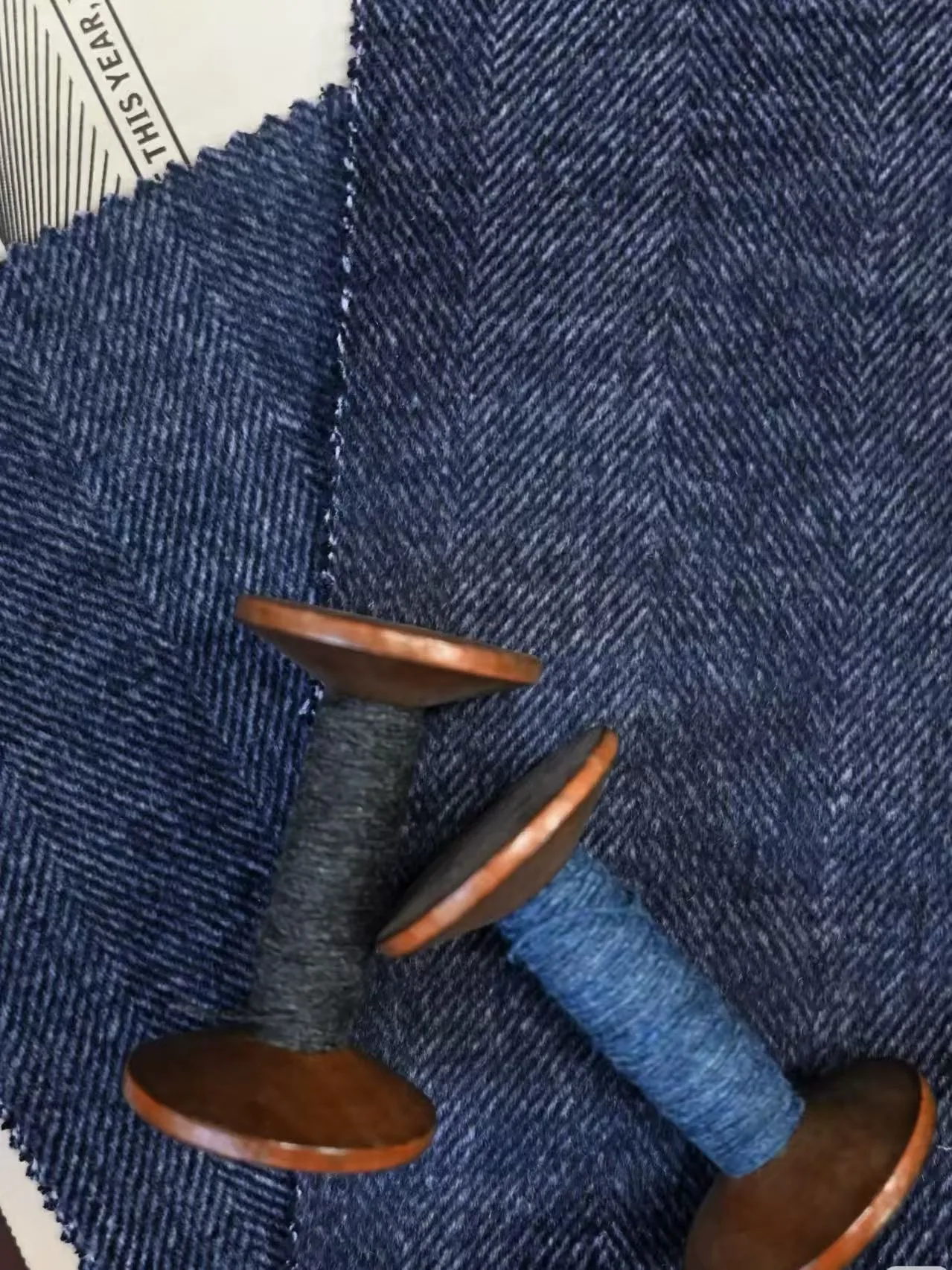
Move from a reference and swatch to a garment-making trial.
Convert g/m to GSM and estimate fabric net weight before comparing quotes.
Direct Fred Textile manufacturer
This knowledge hub is not an anonymous lead-generation catalogue. It is built around Fred Textile's own woven woolen and blended fabric manufacturing route in Zhangjiagang, Jiangsu, so buyers can move from a technical question to a direct Fred Textile factory discussion.
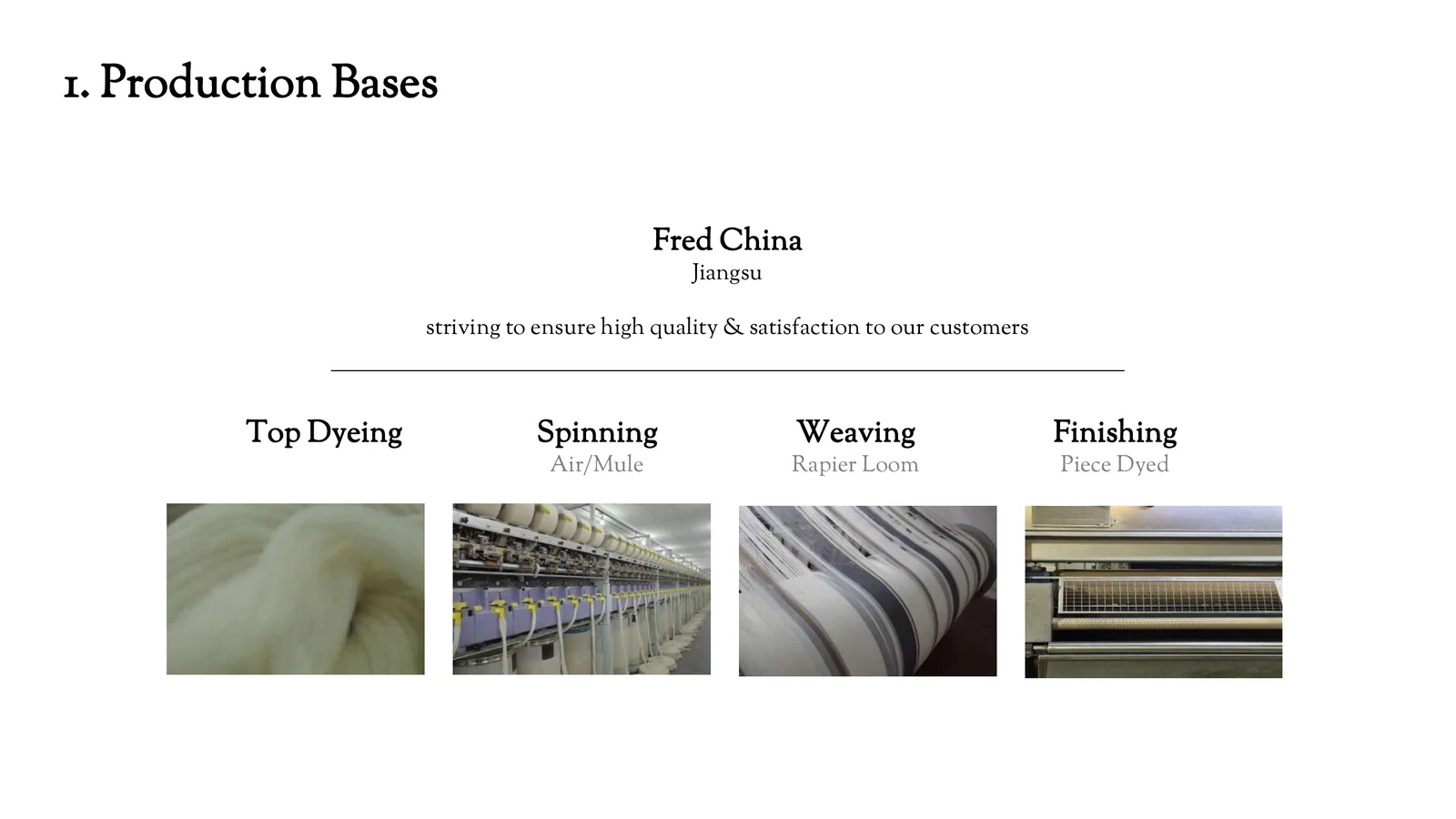
Our integrated scope covers top dyeing, spinning, weaving, finishing, inspection and shipment coordination. Collection directions include classic woolen styles, firm single-faced blends, double-faced constructions, hairy special programs and recycled-material development.
Prepare colour and blended fibre direction before yarn formation.
Air and mule spinning support woolen and blended yarn preparation.
Build solids, checks, herringbones and structured woven constructions.
Develop piece-dyed colour, surface, handfeel and dimensional result.
Review colour, appearance, handfeel and agreed measurable controls.
Coordinate final inspection, order records and shipment arrangement.
Source boundary: capacity, staffing, investment and operating-day figures above are the published company-profile snapshot. Available capacity, construction, tests, certification scope, MOQ, price and lead time must be confirmed for the actual order.
Search intent, turned into a decision
Use the short answer to identify the next action, then open the specialist guide before you compare suppliers, approve a sample or release bulk. Each route keeps the enquiry connected to a direct Fred Textile factory conversation.
Material selection intent
Start with the garment rather than the fabric name. The silhouette, climate, lining plan, intended care and target handfeel determine whether the practical direction is a lofty woolen cloth, a smoother worsted-like construction, a compact melton or a softer flannel. Before requesting a sample, record what the garment must do and what would make it fail at fitting, pressing or wear.
Specification and RFQ intent
A fabric name alone cannot create a fair quotation. Give the Fred Textile team the end use, reference or construction direction, composition, finished GSM, usable width, colour count, finish, quantity by colour, test or inspection requirements, destination and target date. Mark any field that is still open so it becomes a visible technical question—not an assumption that resurfaces after a price is discussed.
Quotation comparison intent
Normalize the product before negotiating the number. A lower rate can refer to another blend, a different usable width, a smaller quantity tier, another colour route, excluded tests, different packing or a different delivery basis. Keep the original supplier wording, list each unstated point as open and compare the final technical and commercial basis side by side. That is the way to compare a proposal rather than only its headline price.
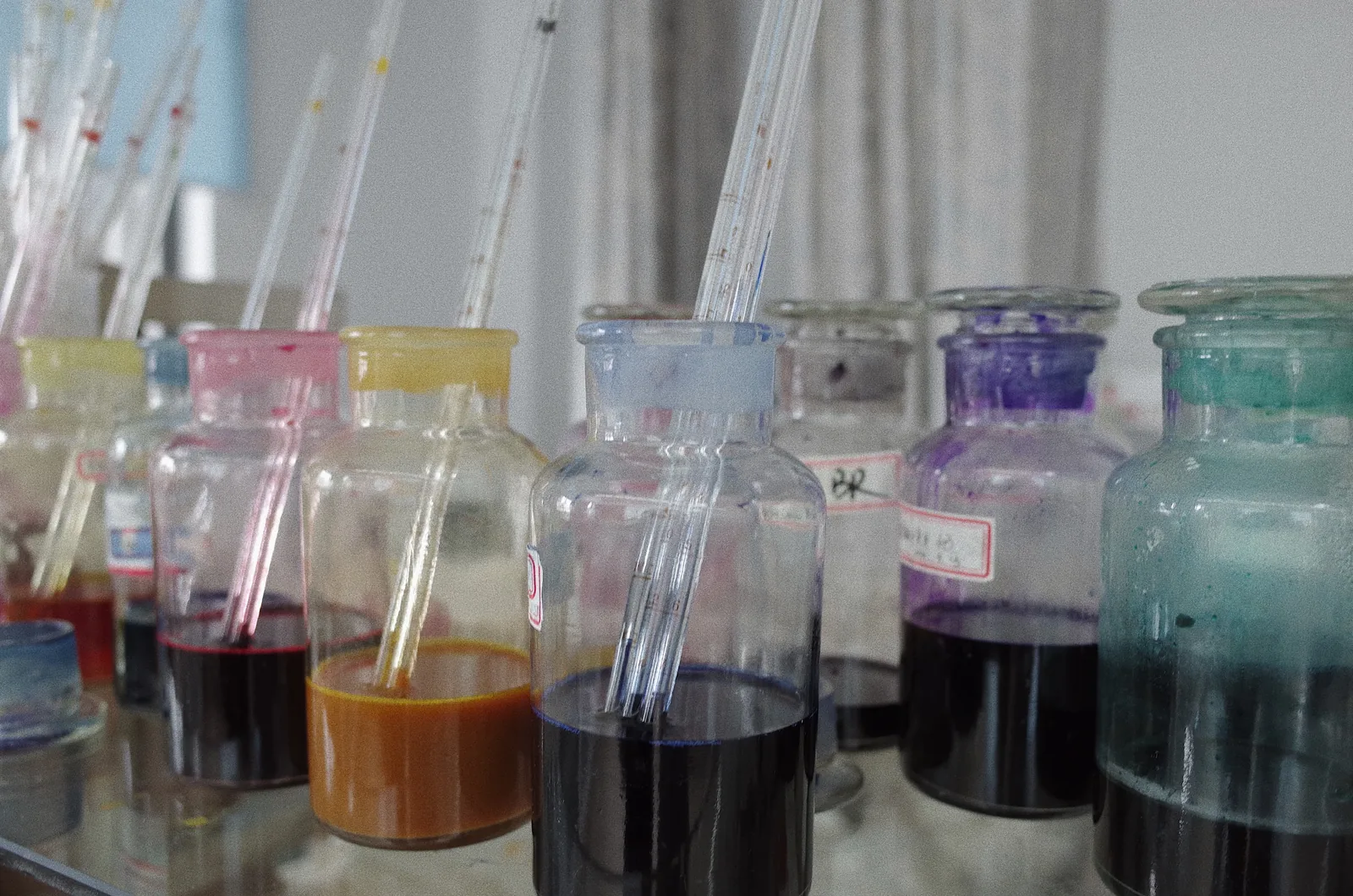
Colour approval intent
A lab dip selects a colour direction; it does not release every production roll. State the physical standard, substrate, agreed light sources, viewing direction and allowed difference. Then keep a separately identified bulk approval reference and a roll-level shade-grouping plan. This matters especially for napped, melange and top-dyed woolen fabrics, where surface direction and material route can alter what the eye sees.
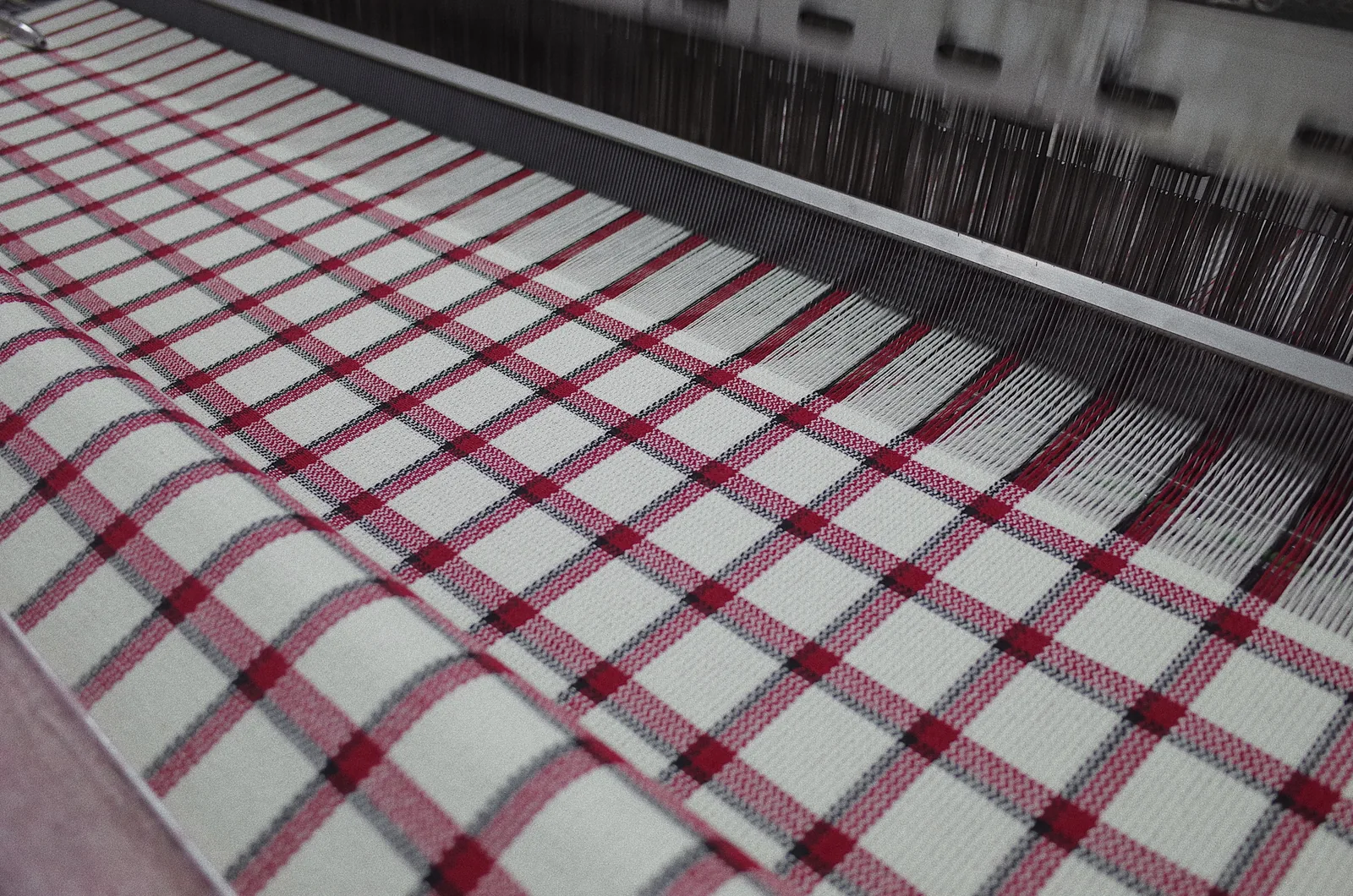
Bulk acceptance intent
Plan inspection as a usable cutting-room record. Identify the lot and every roll reviewed, define whether inspection is sampled or complete, and record visible defects, width, length, weight, shade groups and disposition. A four-point score can quantify visible defects, but it does not replace approval rules for shade, handfeel, usable width or end-use-critical performance. Link the report to the exact approved fabric revision.
Claims and supplier evidence intent
Not by itself. A company profile explains the Fred Textile manufacturing context, while a certificate must be checked for the relevant legal entity, site, standard, product category, process, validity and order timing. Where a claim requires a transaction document, reconcile the article, quantity, buyer, seller and shipment references with the actual order. Keep product proof, commercial terms and performance acceptance as separate decisions.
Need a direct answer for your program?
Fred Textile supplied development material Use a real swatch, drawing or garment image as the start of the conversation—not as proof of a final article.
For searchers who need to send an enquiry today
This is a practical buyer worksheet, not a generic “contact us” prompt. Complete the four gates in order, attach your physical reference or artwork where available, and the Fred Textile factory team can assess the actual program rather than guessing from a keyword.
State the silhouette, market, season, lining, intended care and unacceptable outcome. “Wool coating” or “tweed” is a direction, not a purchase specification. The brief should make clear whether warmth, drape, structure, softness, durability or a visible surface is the priority.
Read: Wool Fabric for Coats: Choose Weight, Drape & Finish ↗Write composition and permitted range, finished GSM with condition, usable width, construction, face and back finish, colours, quantity by colour, test method, tolerance, destination and target date. Mark an unknown point as open rather than letting it become a hidden quotation assumption.
Read: What to Include in a Wool Fabric RFQ ↗Separate a direction swatch, development sample, lab dip, sample metreage, production-representative approval and retained bulk standard. Each item needs an identity, date, status and decision owner. A small cutting may establish a direction but cannot by itself release width, shade continuity or garment performance.
Read: Wool Fabric Samples: What to Request Before a Bulk Order ↗Align the fabric basis, usable yield, quantity tier, colour route, tests, packing and Incoterm. Then preserve the agreed reference, deviations and inspection release rule with the purchase record. This keeps a lower headline rate from becoming a higher garment cost or a bulk-risk surprise.
Read: Compare Wool Fabric Quotes: Units, Usable Width and Yield ↗Direct project contact: sales@allottech.com
Supplied Fred Textile catalogue evidence
These pages come from the supplied Fred Textile colour card, trend book, company profile and FREDECOTEX development material. They make the starting conversation more concrete; they are not presented as a stock list, final specification or blanket production promise.
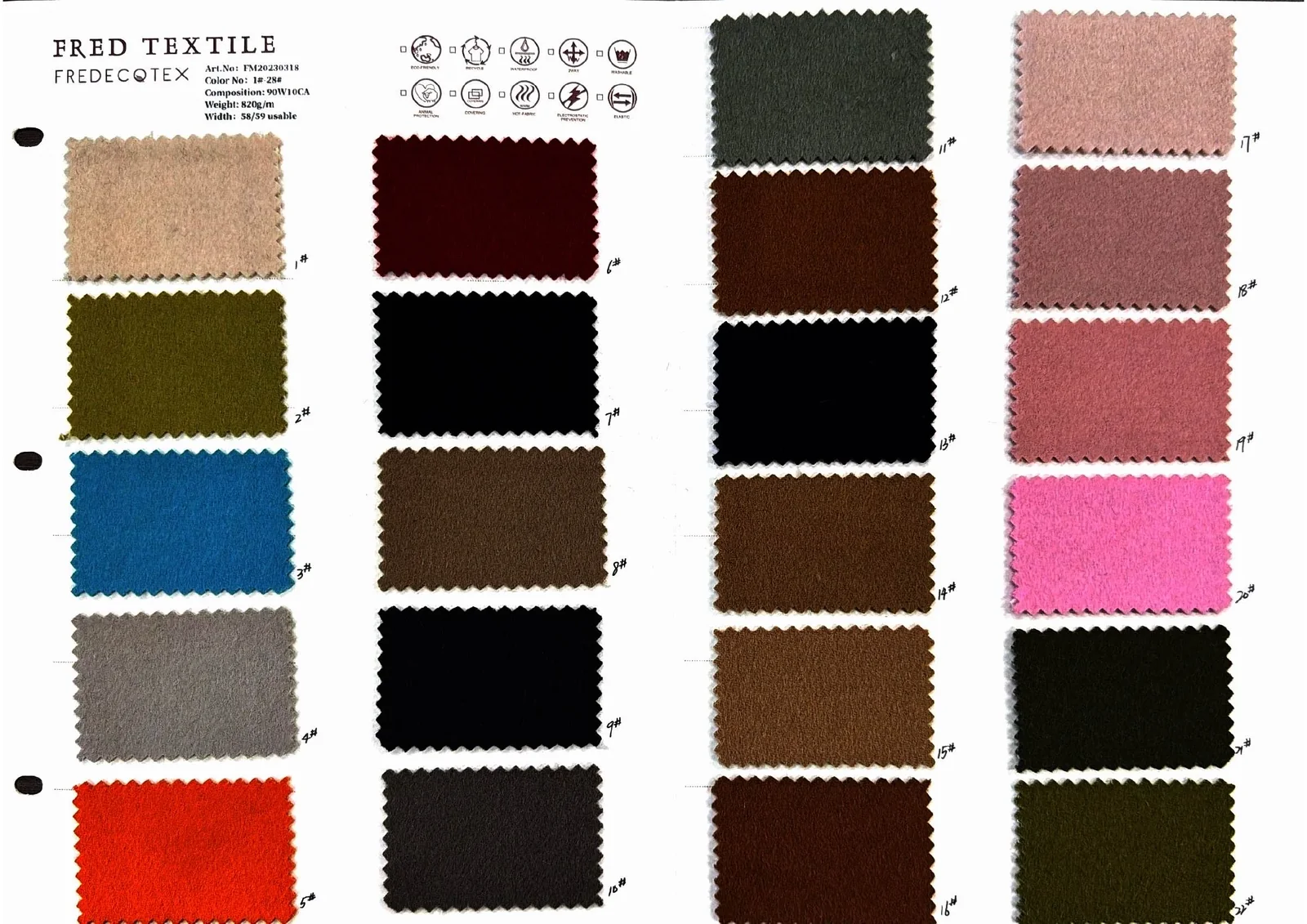
Colour direction
Specify the swatch, viewing condition and intended fabric route before requesting a lab or bulk colour approval.
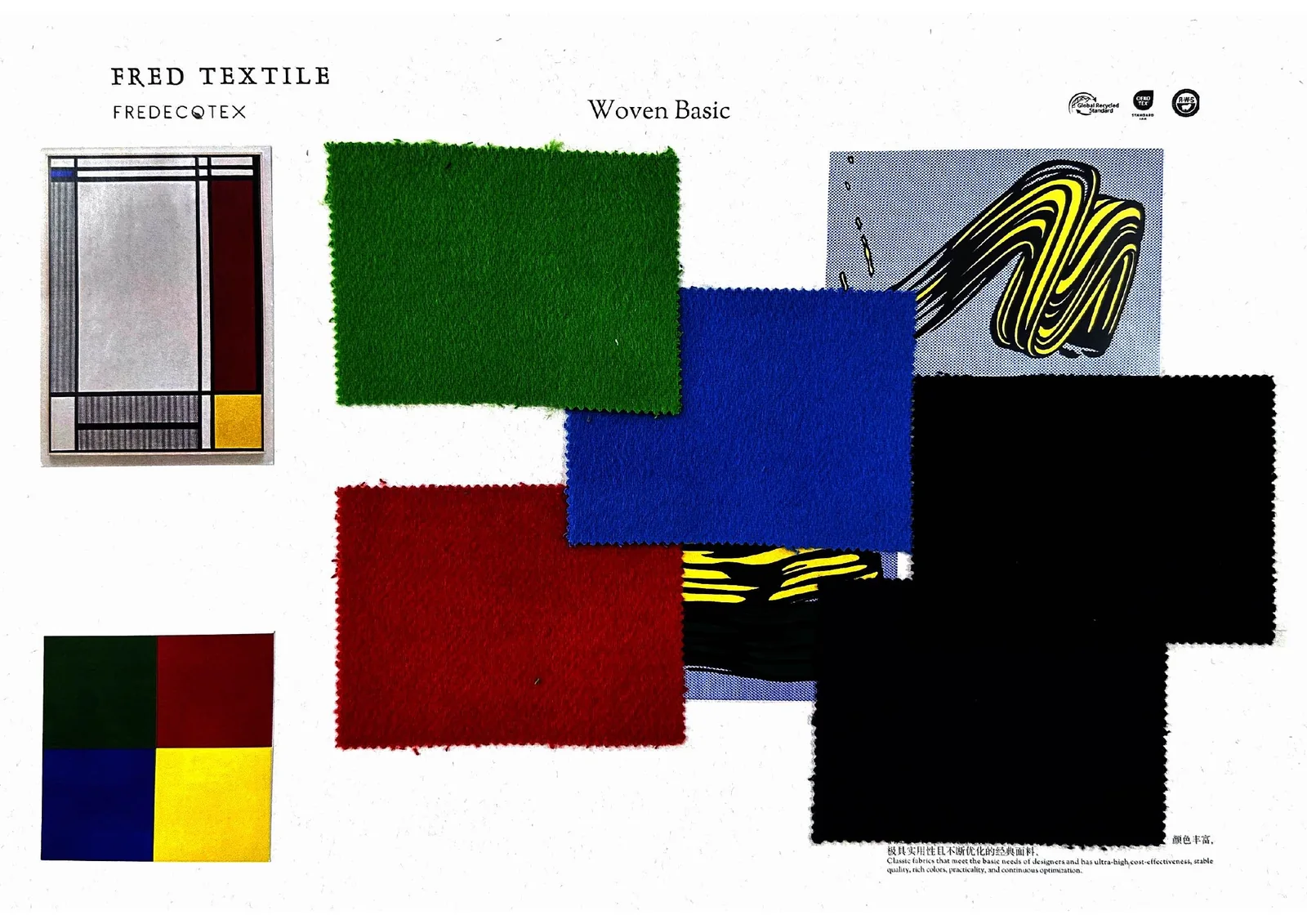
Fabric direction
Texture and colour are only the first inputs; weight, width, finish, use and approval controls make the proposal quoteable.
Real Fred Textile workshop photography
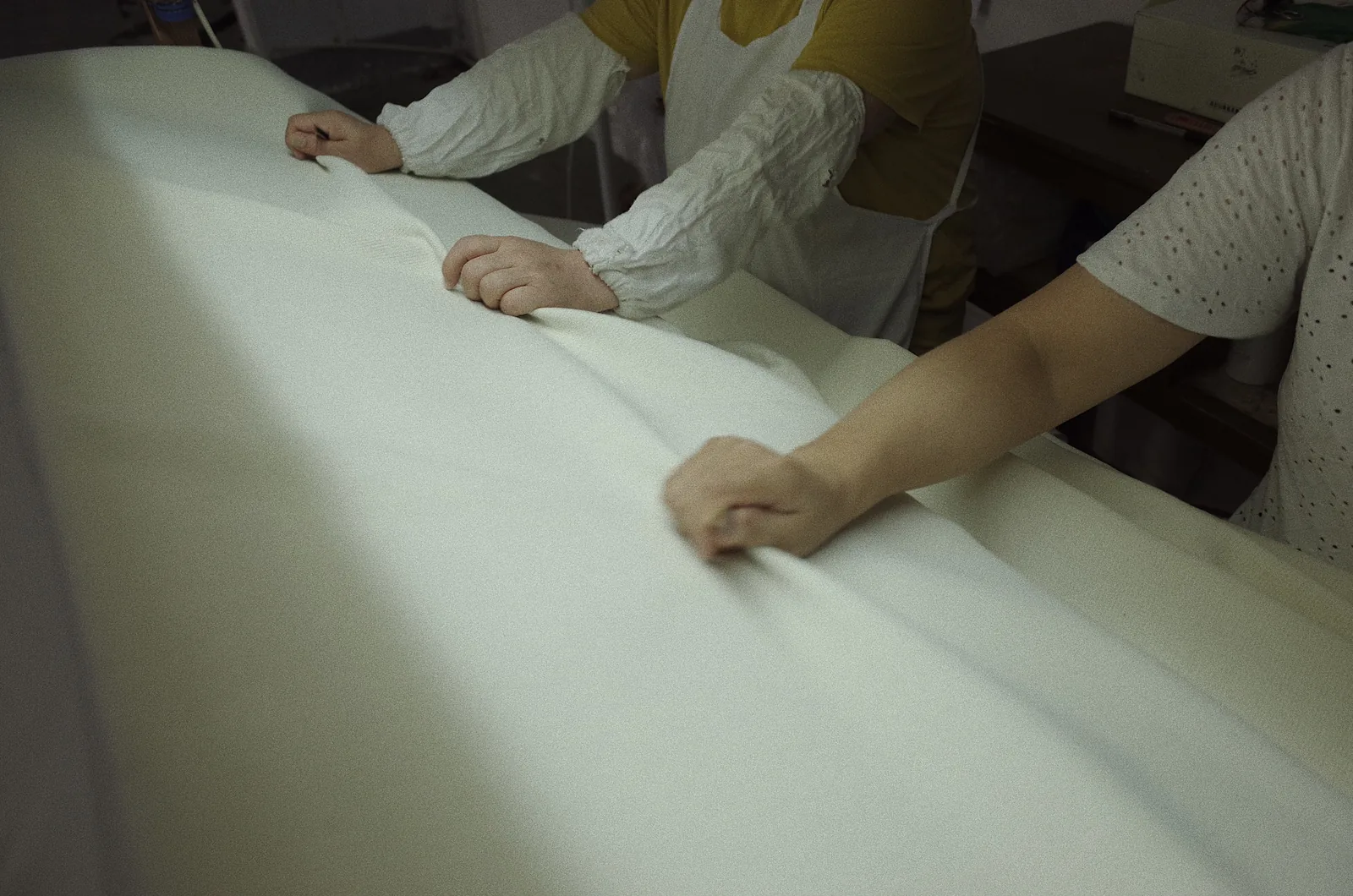
These supplied mill and product photographs show representative spinning, weaving, colour, finishing and inspection stages. They are real Fred Textile process context, not synthetic mill imagery.
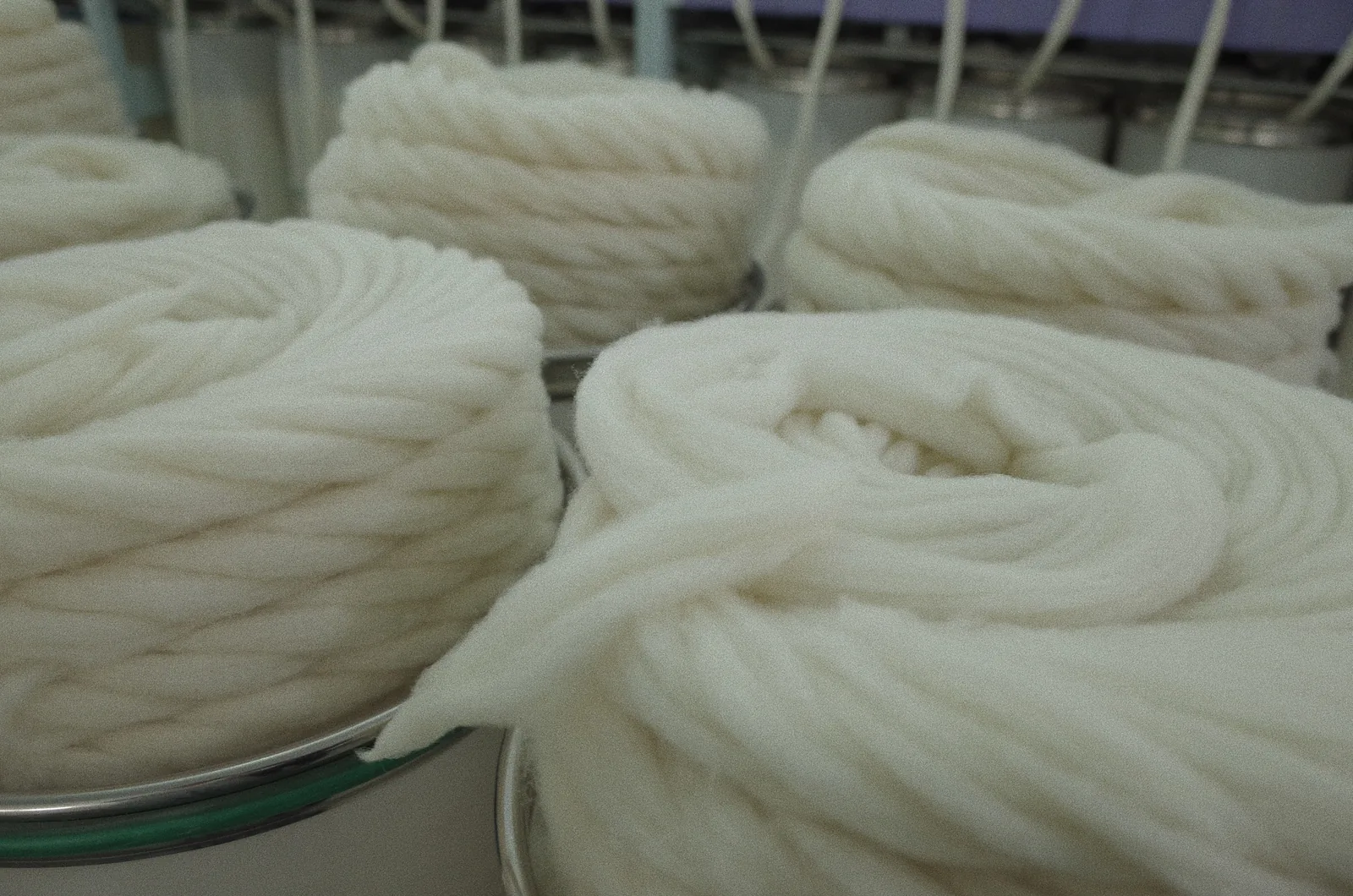
Start with the actual fibre and blend route, not a generic “wool fabric” label.
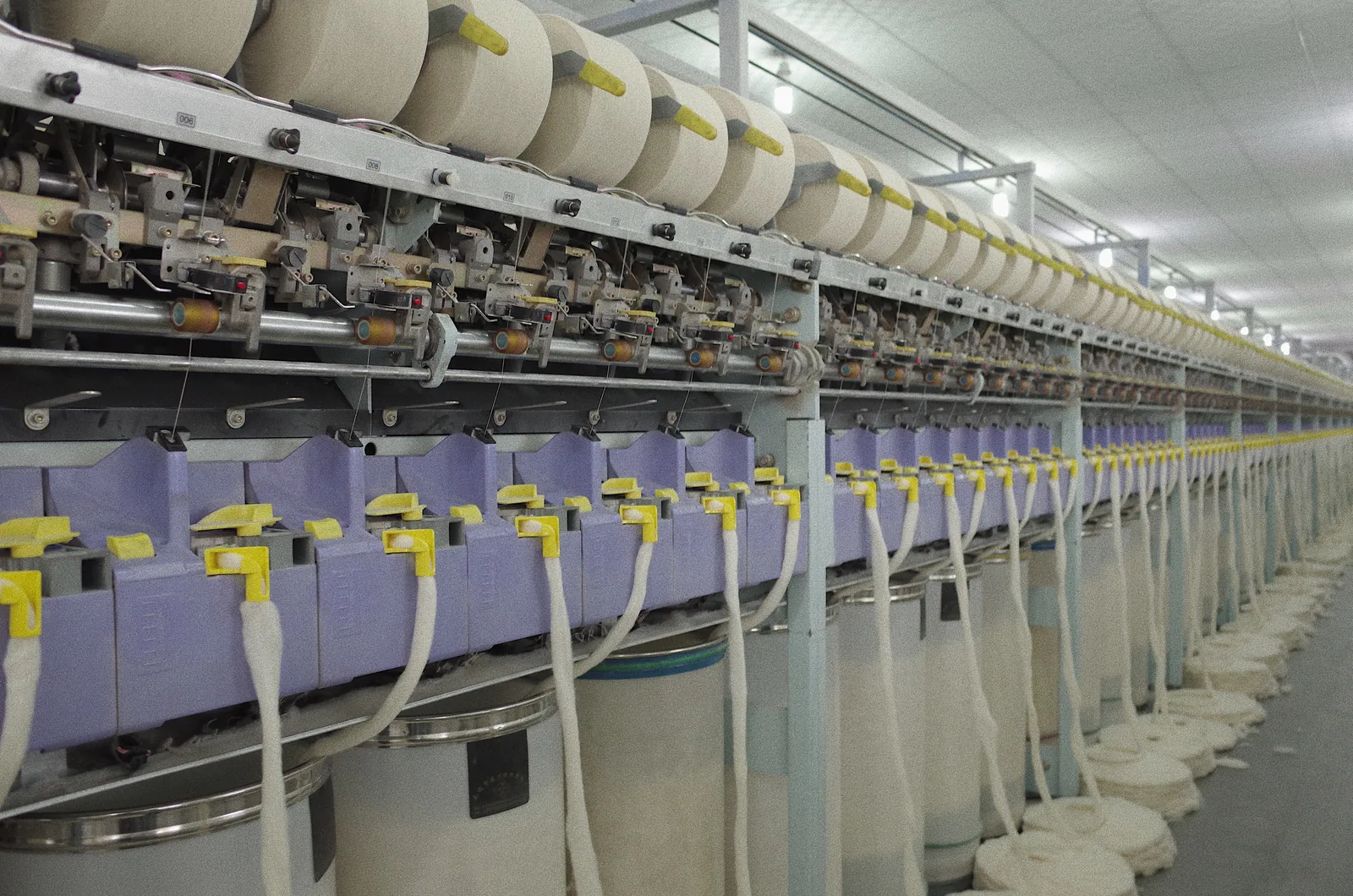
Yarn structure affects bulk, surface, strength and the later finishing response.
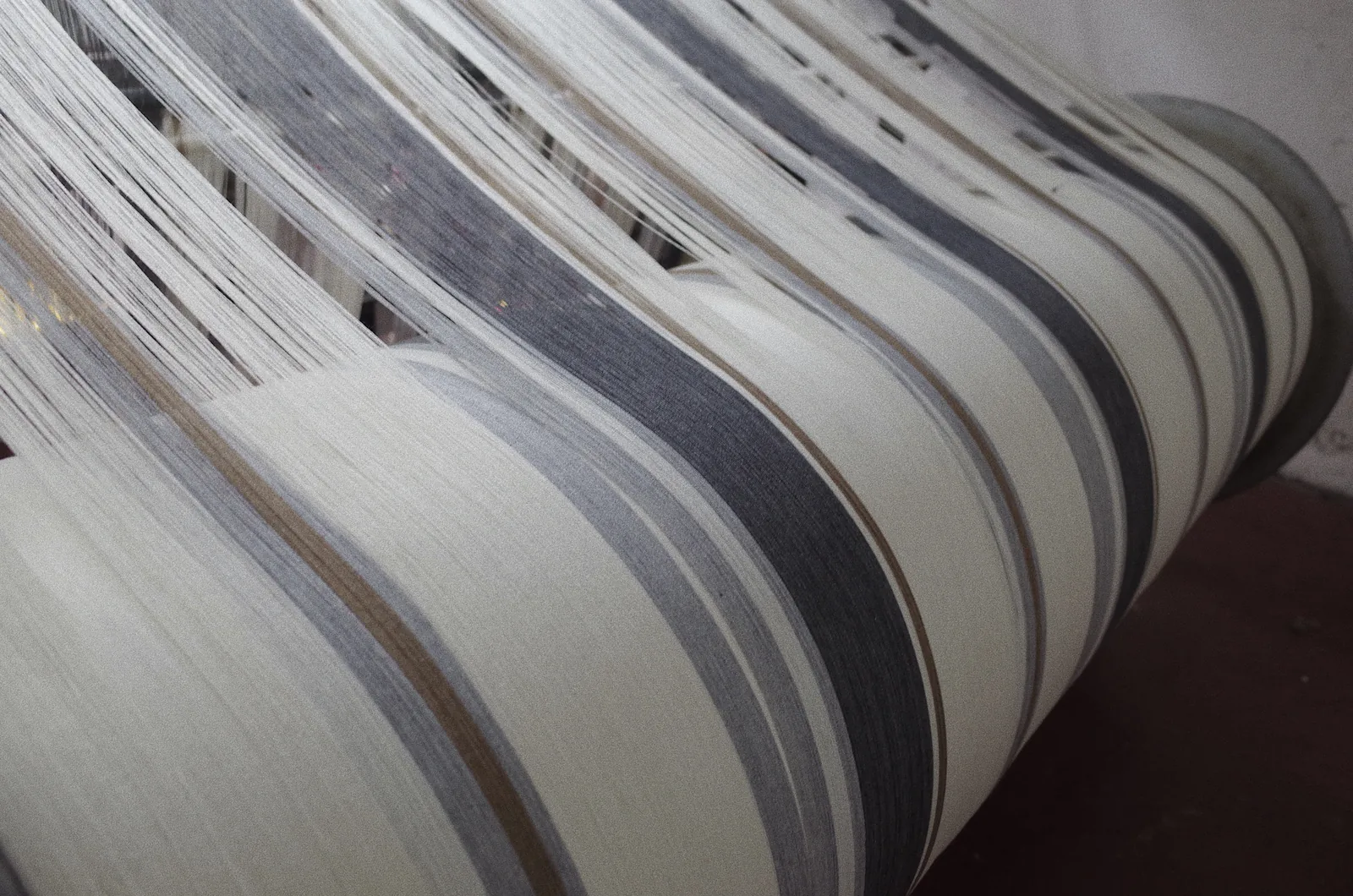
Yarn placement and tension must support the approved construction.
Checks, herringbones and solids require construction-level approval before finish changes the hand.
Colour standards, lab approvals and production shade control belong in one traceable file.
Handfeel matters, but it should sit beside measurable width, weight, shrinkage and appearance checks.
A navigable materials knowledge hub
Every guide now answers a primary question plus two closely related buyer questions, then turns the answer into decision points, RFQ checks, risk controls and supplier questions.
Choose the material direction
Compare woolen constructions, classic surfaces, double-faced cloth and practical fibre blends before requesting samples.
Browse 24 guides →Start from the garment
Translate coat, blazer, trouser, uniform and accessory briefs into fabric requirements a mill can quote and produce.
Browse 28 guides →Make the brief measurable
Turn subjective fabric expectations into comparable GSM, width, colourfastness, shrinkage, pilling and inspection requirements.
Browse 40 guides →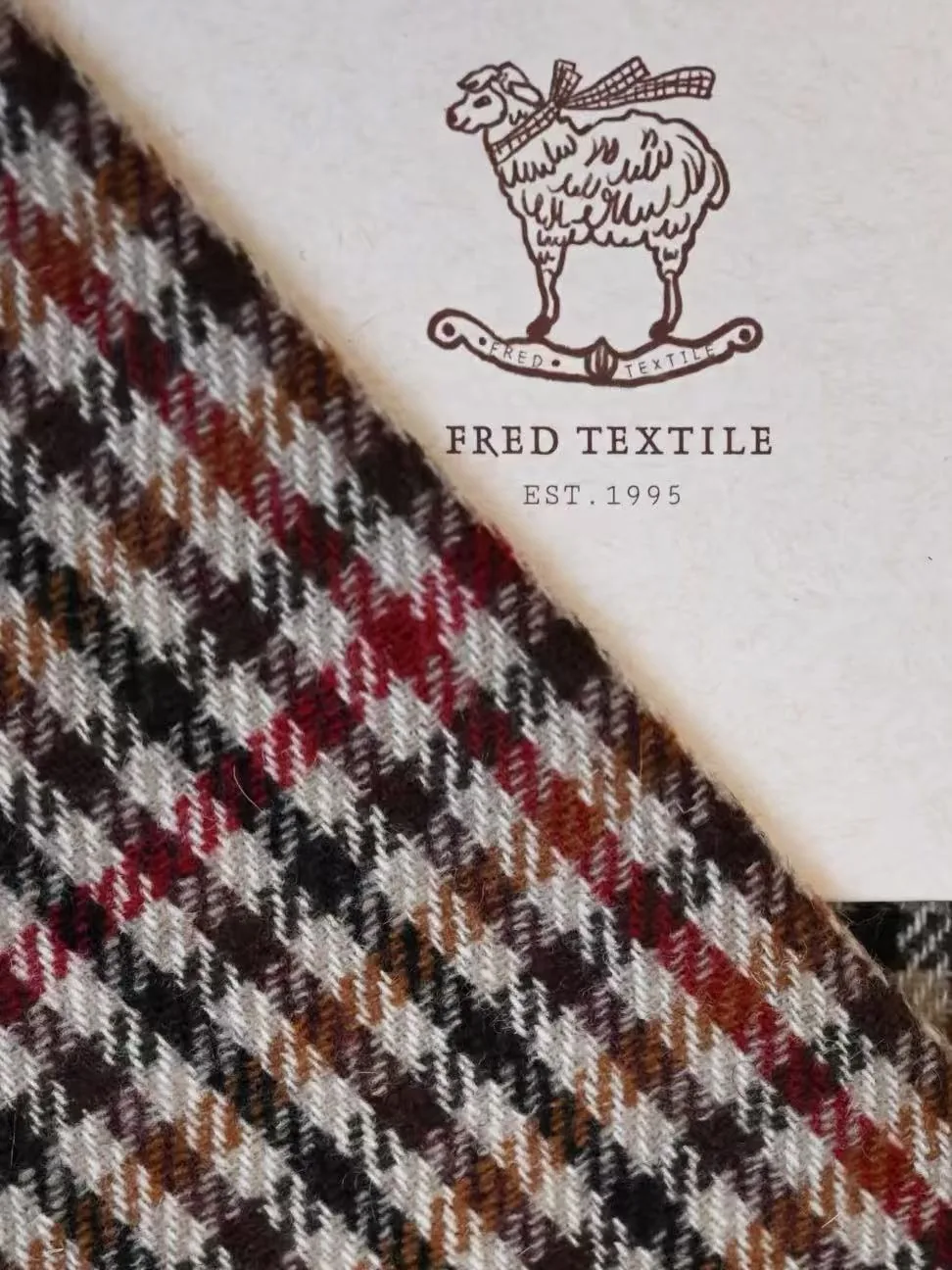
Control the commercial path
Build clearer RFQs, compare suppliers, plan samples, MOQ, lead time, payment, packing, inspection and repeat orders.
Browse 63 guides →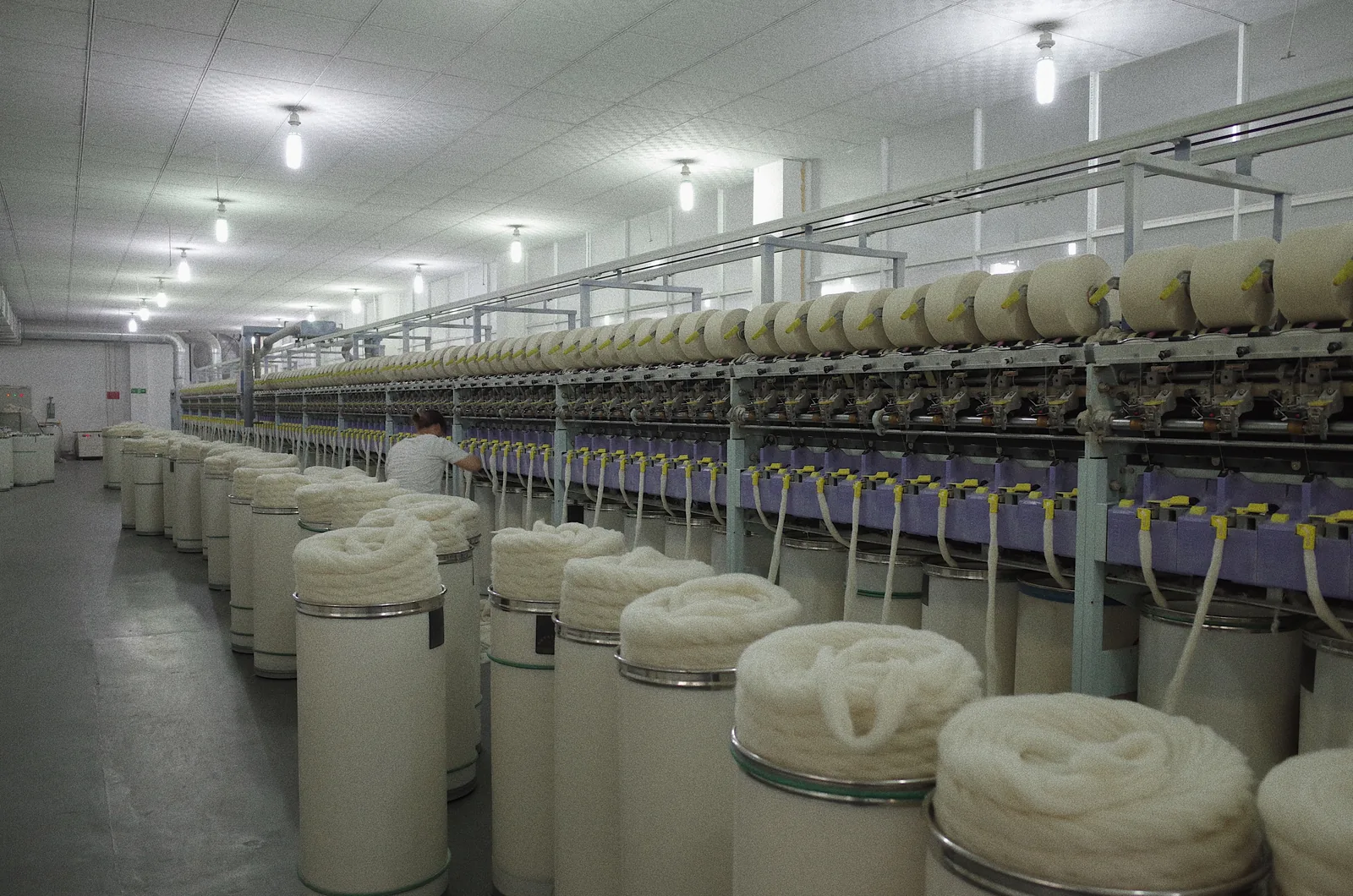
Connect process to performance
Understand how fibre preparation, top dyeing, spinning, weaving, milling, raising, shearing and inspection shape the final cloth.
Browse 35 guides →Match every claim to evidence
Check certificate scope, transaction evidence, recycled-content wording, restricted substances and supply-chain claims.
Browse 26 guides →Find the cause before the fix
Diagnose pilling, shade, shrinkage, width, weight, nap, seam and delivery failures with evidence before choosing a correction.
Browse 18 guides →Start with what enters the yarn
Compare virgin, recycled, merino and specialty animal fibres, then connect fineness, length, cleanliness and blend verification to the finished fabric brief.
Browse 22 guides →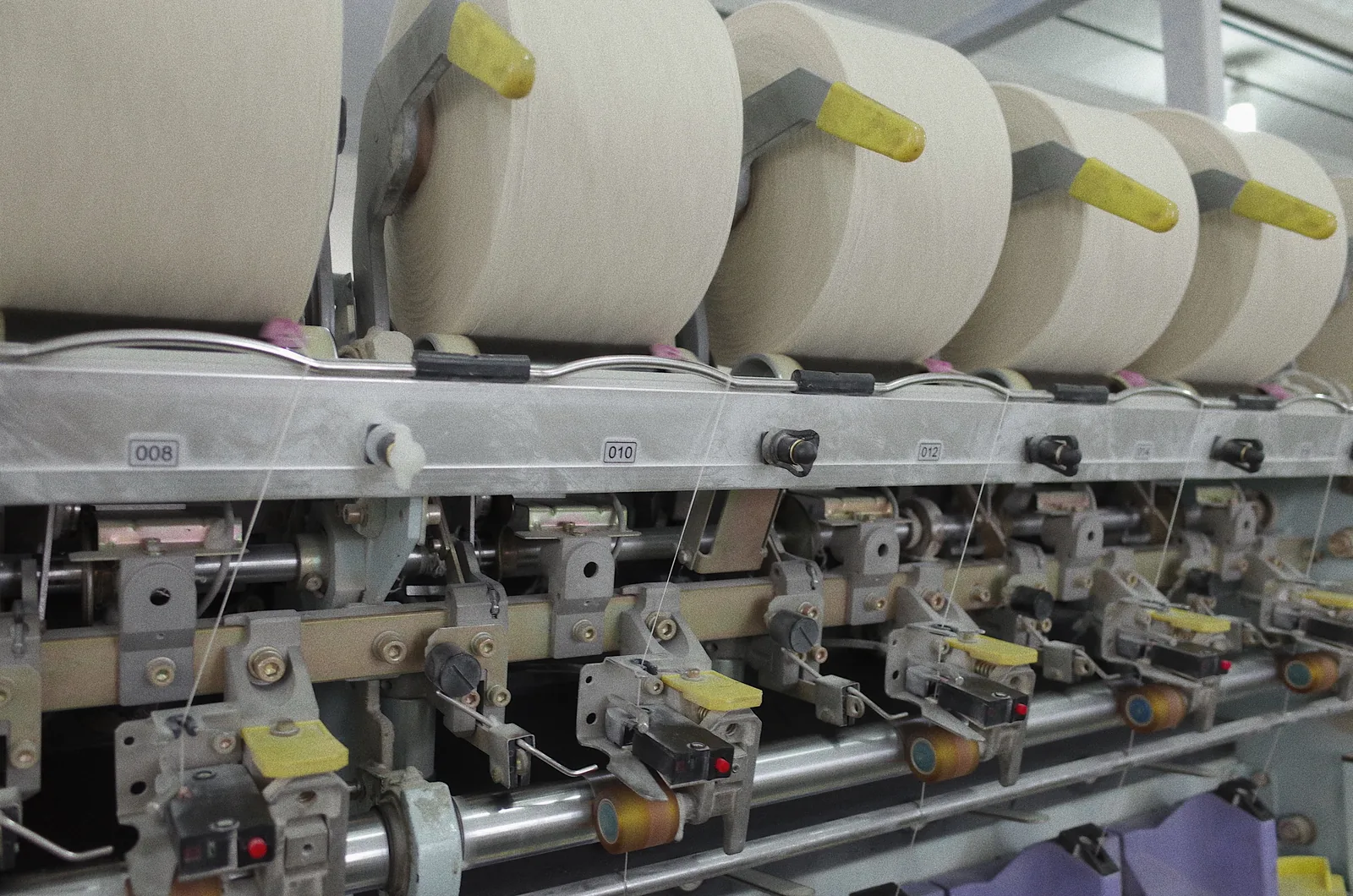
Build performance into the cloth
Understand woolen yarn count, twist, ply, fancy yarns, warp and weft density, woven structures and how construction controls surface, stability and drape.
Browse 28 guides →Make colour approval production-ready
Control lab dips, light-source matching, mélange and piece-dyed colour, checks, stripes, repeats, shade bands and bulk colour continuity.
Browse 30 guides →Inspect the fabric buyers will cut
Plan roll inspection, defect grading, shade continuity, bow, skew, width, weight, laboratory reports and shipment release with traceable evidence.
Browse 36 guides →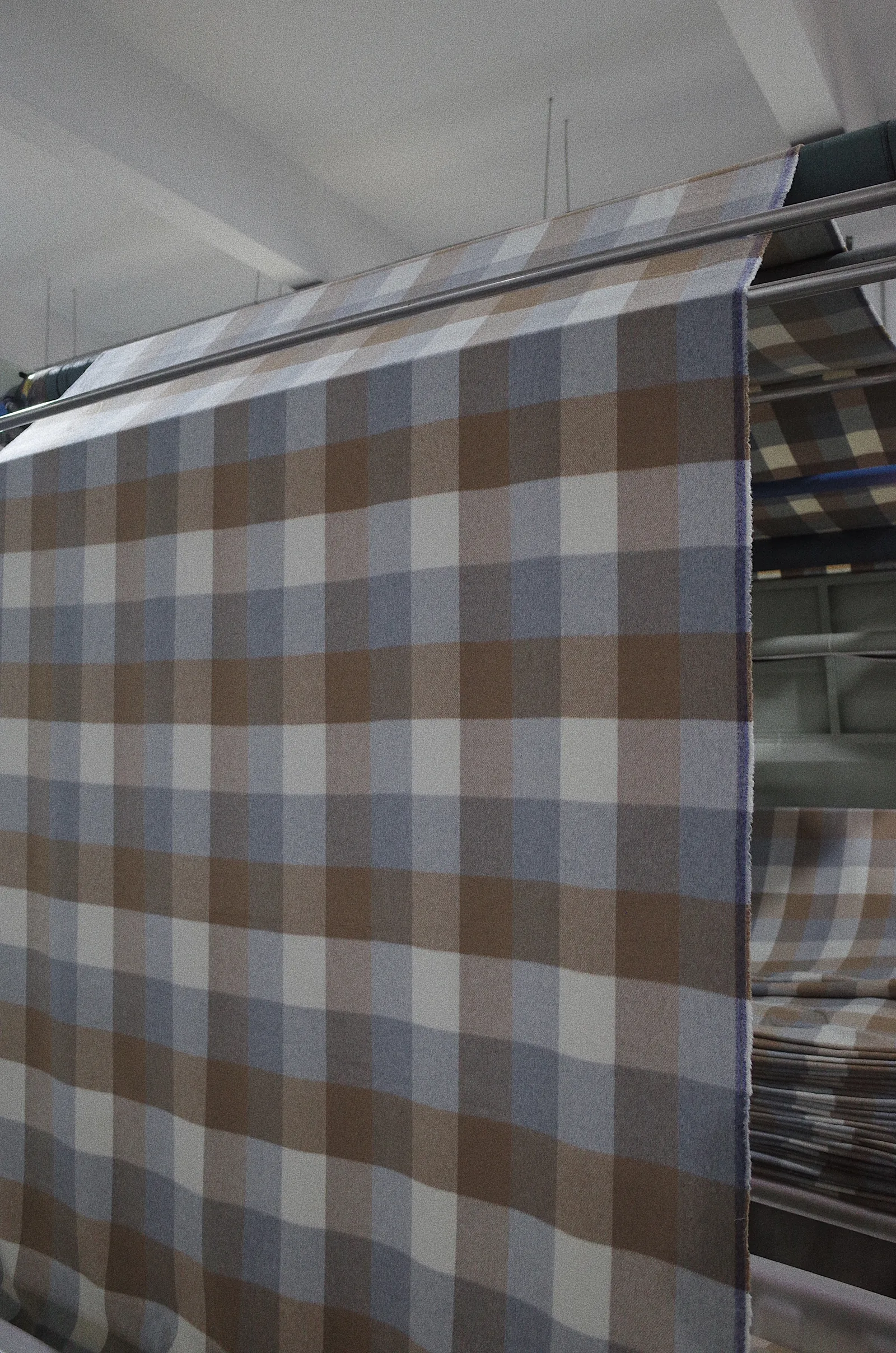
Prove the cloth in the garment
Connect wool fabric to relaxation, nap direction, pattern matching, fusing, pressing, seams, linings, marker yield and garment trials before bulk cutting.
Browse 50 guides →Protect the approved fabric in transit
Control roll packing, shipping marks, documents, Incoterms, moisture, freight, partial shipments, landed cost and repeat-order traceability.
Browse 47 guides →Design for life after delivery
Plan dry cleaning, washable-wool care, pressing, storage, warmth, breathability, abrasion, recovery and functional finishes around the real garment use.
Browse 36 guides →How this site handles evidence
This site explains how to ask better questions. It references Fred Textile's public collections, facilities, order workflow and sustainability materials without turning public statements into unconditional product guarantees.
Read how this guide handles evidence →Relevant Fred Textile pages are linked where company capability or program context is discussed.
Composition, certificates, performance, MOQ, price and delivery require current confirmation for the actual order.
Use each guide's RFQ checklist before contacting the manufacturing team.
Start with frequent buyer questions
Fabric Types
Woolen fabric is woven from carded, comparatively lofty yarns and is normally selected when warmth, surface character and a softer hand matt…
↗Fabric Types
Choose woolen construction for loft, warmth and a textured or napped surface; choose worsted construction for smoother, denser yarn definiti…
↗Applications
Start with the coat silhouette, climate, lining plan and target retail use, then choose weight, blend, surface and drape. Coat fabric should…
↗Quality Specs
There is no universal correct GSM. Set a target range from the garment, construction, climate and finish, then confirm conditioned test resu…
↗Sourcing
A useful RFQ states end use, composition, construction or reference, weight, width, colour, finish, quantity, tests, delivery location and s…
↗Sourcing
Verify legal identity, production role, product capability, current documentation, sample-to-bulk controls, testing access and commercial te…
↗Problem Solving
Pilling forms when loose or migrating fibres entangle on the surface and remain attached. Fibre length, blend, yarn twist, construction, rai…
↗Problem Solving
First standardize lighting, nap direction and conditioning, then map each roll against the approved standard. Segregate compatible shade gro…
↗Ready to turn research into a fabric brief?
Fred Textile publishes woolen and blended fabric development, manufacturing and order-cooperation information. Final terms remain subject to the actual program.