wool fabric roll packing guide
Wool Fabric Roll Packing Guide for Buyers
Specify rolling tension, face direction, inner core, protective wrapping, end protection, labels and handling limits for the shipment route. Pack…
↗Protect the approved fabric in transit
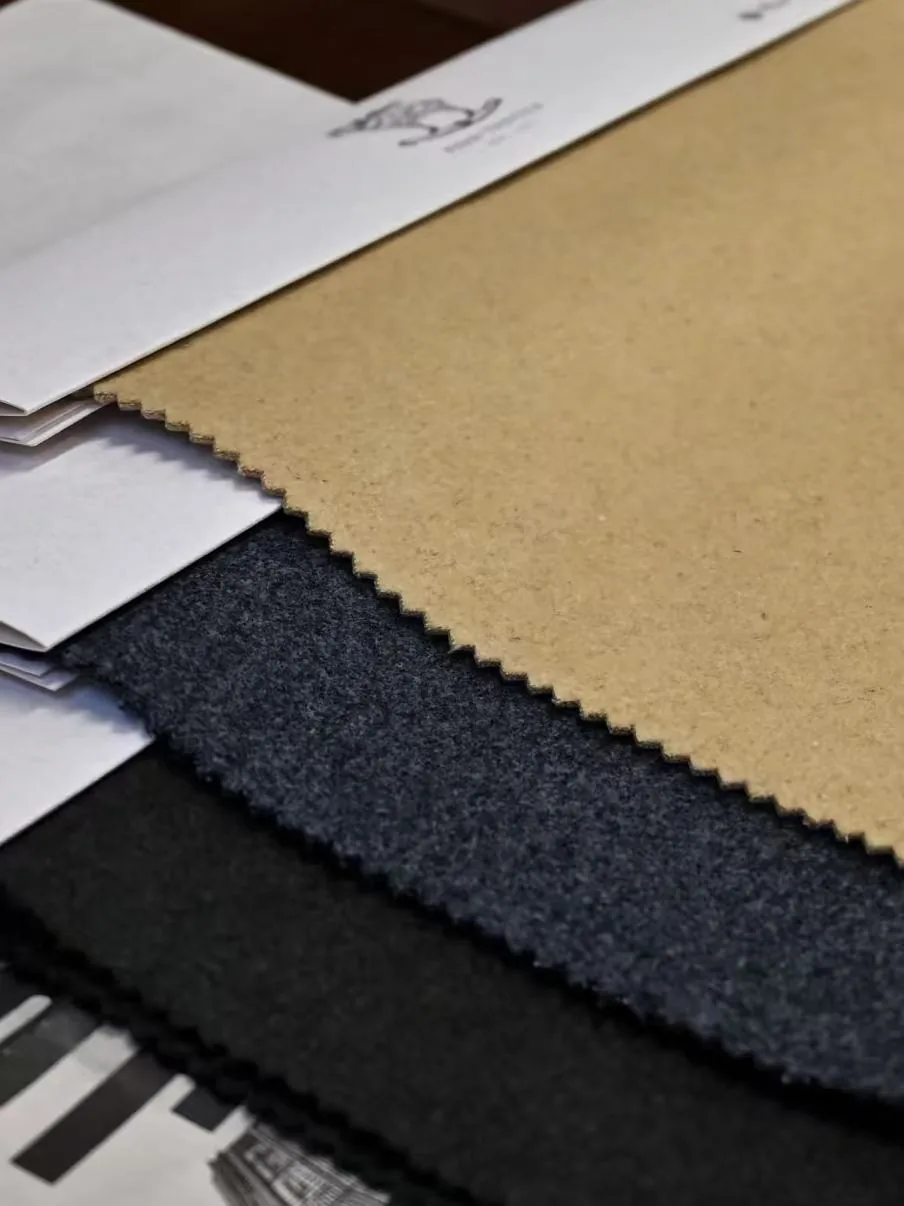
Control roll packing, shipping marks, documents, Incoterms, moisture, freight, partial shipments, landed cost and repeat-order traceability.
47 focused questions in this cluster
Recommended decision path
Each question can stand alone, but these four gates keep sample enthusiasm from outrunning a measurable bulk plan.
Record the decision, responsible party and evidence before moving to the next gate.
Record the decision, responsible party and evidence before moving to the next gate.
Record the decision, responsible party and evidence before moving to the next gate.
Record the decision, responsible party and evidence before moving to the next gate.
Question library
wool fabric roll packing guide
Specify rolling tension, face direction, inner core, protective wrapping, end protection, labels and handling limits for the shipment route. Pack…
↗fabric roll length tolerance
Define preferred and minimum piece lengths, short-piece allowance, measurement method and how joins or cuts are reported. Roll structure affects…
↗fabric packing list weight
List each roll or piece with identifier, lot, shade group, length, net weight, gross weight and package number as applicable. Totals should recon…
↗fabric shipping marks fabric rolls
Use durable, readable identification for consignee, order, style, colour, lot, roll, length and handling information required by the shipment. Av…
↗container moisture wool fabric
Ship fabric at suitable moisture condition, use dry and clean packing, assess route and season, prevent direct container contact and consider app…
↗fabric roll cores wrapping
Choose core strength and diameter that support roll weight without collapse or severe bending, then protect edges and surface with wrapping suite…
↗fabric export documents
Align commercial invoice, packing list, transport document, origin or preference documents when applicable, test or compliance records and buyer-…
↗wool fabric HS code
Classification depends on fibre composition, woven construction, weight and other legally relevant characteristics in the importing jurisdiction.…
↗fabric Incoterms guide
State the selected Incoterms rule and named place or port, then separately confirm freight assumptions, insurance, export and import tasks, docum…
↗sea vs air freight fabric
Compare real chargeable weight or volume, transit, handling, customs timing, moisture risk, urgency and garment-production impact. Air may protec…
↗partial fabric shipment shade lot
A partial shipment can help schedule recovery but may split dye lots, shade groups, documents and garment cutting. Identify exactly which rolls m…
↗wool fabric delivery schedule
Build milestones from confirmed material, spinning, weaving, dyeing, finishing, testing, approval, inspection, packing and freight stages. Identi…
↗fabric sample courier customs
Describe samples accurately, state realistic value and purpose, prepare destination-required paperwork, provide receiver contact details and trac…
↗fabric cargo insurance claims
Keep insurance terms, transport document, packing list, delivery receipt, container or package condition, photographs, survey evidence and affect…
↗repeat order wool fabric traceability
Retain the final specification, approved cutting, colour standard, yarn or material references, process notes, roll and lot data and accepted exc…
↗fabric landed cost comparison
Normalize composition, construction, usable width, yield, packing, freight, duty, payment, quality risk and defect allowance before comparing. A…
↗wool fabric roll splices short pieces
Define whether splices are permitted, how they are marked, the minimum usable piece length and how quantities are counted. Request a roll map sho…
↗wool fabric duplicate roll labels
Separate the rolls and compare packing records, shade maps, length records and original mill identification before assigning corrected IDs. Ask F…
↗wool fabric packing list unit mismatch
Compare the purchase specification, invoice, packing list and roll labels, identifying the unit used in each record. Convert consistently and che…
↗wool fabric roll weight length check
Use net fabric mass, verified width and representative conditioned GSM for an indicative cross-check, not automatic proof of length. Core, wrappi…
↗wool fabric forklift damage
Photograph the package, label, damage location and surrounding cloth before unpacking destroys the context. Isolate affected rolls and document v…
↗wool fabric wet wrapping arrival
Record moisture, package condition and roll identity, then quarantine suspect material for a controlled inspection. Determine whether wetness is…
↗wool fabric arrival inspection sequence
Start with shipment, roll and specification identity, then verify quantity, package condition, shade grouping and the agreed quality checks. A go…
↗wool fabric shortage reconciliation
Compare ordered and permitted shipment quantities with roll-level shipped and measured received lengths. Record unusable sections separately, inc…
↗wool fabric shade lot warehouse storage
Label and segregate approved shade groups with a warehouse map connected to roll IDs. Keep receiving and cutting teams aware of any restricted mi…
↗wool fabric roll missing packing list
Hold the unmatched roll and request reconciliation against shipment records and its original label. Verify style, shade, length and acceptance st…
↗wool fabric crushed roll core
Inspect package impact, core condition and the cloth near distorted sections during a controlled unwind. Record length and appearance damage rath…
↗wool fabric roll end damage prevention
Review the actual handling and packing route with end protection, roll support and package dimensions. Inspect exposed edges and core protrusion…
↗wool fabric packing photo evidence
Ask for readable roll labels, package condition, shipping marks and the shipment inventory context. Images can support packing communication but…
↗wool fabric replacement roll labels
Reconcile the original roll using source, packing and warehouse records, then record the replacement label and approving person. Keep the link to…
↗wool fabric warehouse humidity records
Record storage location, package condition, receiving dates and relevant temperature or humidity observations using the actual warehouse procedur…
↗wool fabric repacking after inspection
Keep the original roll and shade identity, record any removed sections and control winding tension and packaging contact. Reconcile the updated u…
↗wool fabric sample bulk delivery addresses
Confirm the recipient, address, shipment reference and receiving requirements for each stage. Development samples may go to a designer or laborat…
↗wool fabric sample shipment description
Give an accurate description, quantity, sample purpose and recipient details, with commercial information handled according to the carrier and ap…
↗wool fabric inspection before dispatch timing
Agree milestones backwards from the required receiving date, including report review, possible corrections and final document reconciliation. The…
↗wool fabric transit claim notice
Identify the shipment, affected packages, arrival condition and evidence retained, distinguishing observations from conclusions about responsibil…
↗wool fabric roll dispatch reconciliation
Compare the final inventory with released rolls, shade groups, measured lengths and any holds or substitutions. Resolve discrepancies before disp…
↗wool fabric replacement roll shade risk
Compare the replacement material against the retained standard and original approved shade groups under the agreed conditions. Confirm style, fin…
↗wool fabric first in first out warehouse
Use stock rotation alongside specification revision, shade grouping, storage condition and order allocation. A roll with an older approved finish…
↗wool fabric roll opening photos
Capture package condition, shipping and roll labels, opening sequence and the defect in relation to its location. Include a scale where useful an…
↗wool fabric claim return sample selection
Keep the affected material with roll and location identity, plus a relevant unaffected comparison and the approved reference where available. Agr…
↗wool fabric garment factory handover
Transfer the current specification, shade groups, roll map, cutting direction, care assumptions and any accepted deviations. Confirm the garment…
↗wool fabric order closeout records
Retain the final specification and approval, shipped roll mapping, representative fabric, test reports, deviations and resolved claims. Connect t…
↗wool fabric stock roll reservation
Ask for identified rolls, shade groups, usable lengths and the reservation conditions with a dated confirmation. A style name or catalogue photo…
↗wool fabric third party warehouse inspection
Confirm which rolls can be accessed, safe unwinding and repacking arrangements, sample permissions and the reporting scope. Connect observations…
↗wool fabric split roll numbering
Record the parent roll, child sections, cut positions, lengths and shade identity, including any removed defects. Reconcile the sections against…
↗wool fabric delivery delay quality hold
Request the actual milestone status, identifying whether the issue is production, approval, quality hold, documents or transport booking. Ask for…
↗
Search intent: turn a reference into a controlled brief
The FREDECOTEX development sequence is only useful if the selected sample, specification and approval record remain connected to packed rolls. Before shipment, make sure roll identity, shade group, length basis, width, disposition, packing, documents and receiving checks use the same fabric revision. A colour or trend card should remain an inspiration reference, not be mistaken for a substitute for the shipped lot.
For an order question, email Fred Textile the intended destination, trade terms, packing requirements, expected receiving controls and date. The appropriate shipment plan depends on the confirmed fabric, quantity, production status and contract.
Fred Textile order and logistics control
Fred Textile order coordination can connect roll data, packing, shipment documents and lot identity. Freight and Incoterm decisions remain commercial terms, while traceable packing protects shade, quantity and repeat-order records.
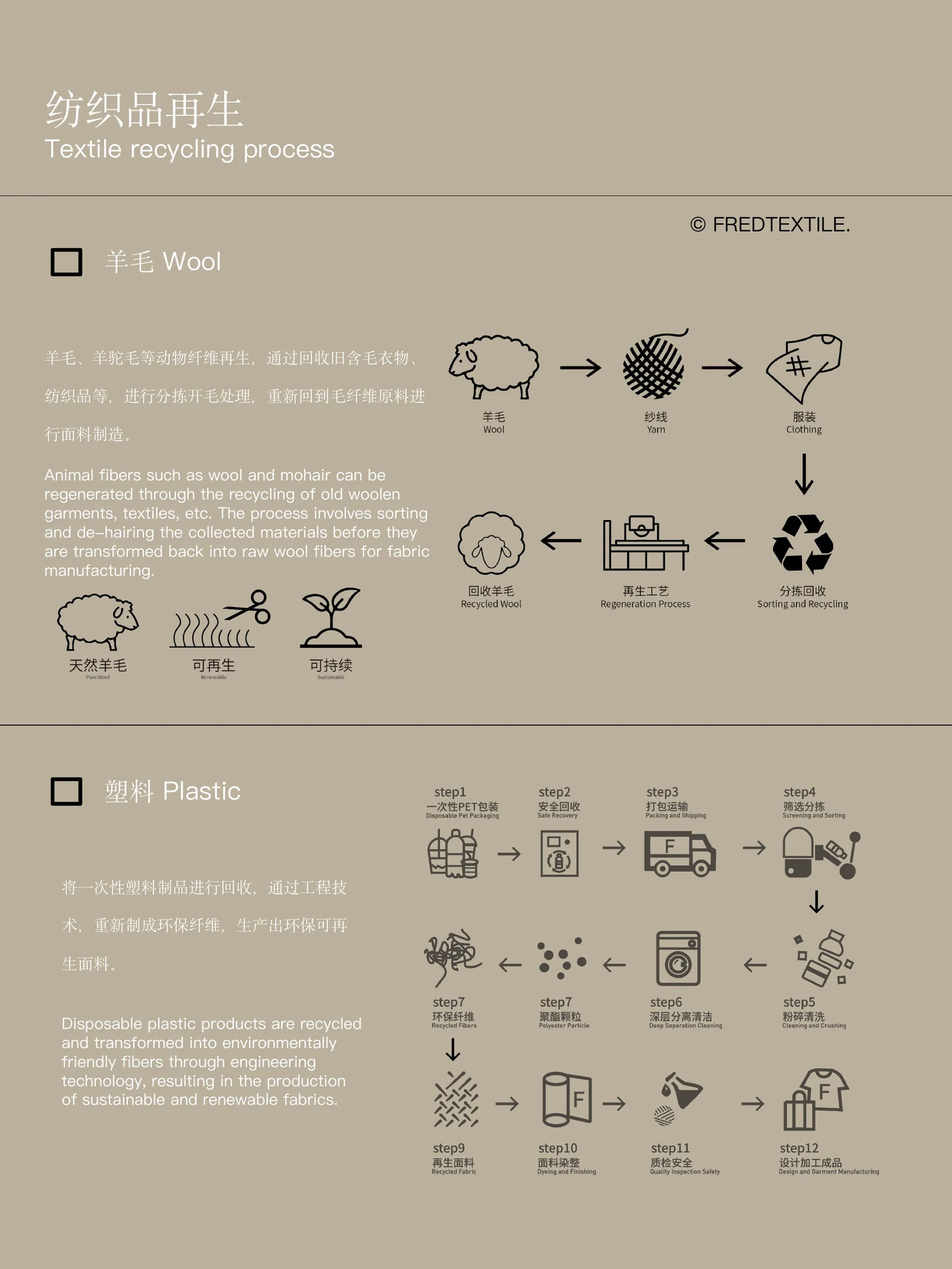
Our integrated scope covers top dyeing, spinning, weaving, finishing, inspection and shipment coordination. Collection directions include classic woolen styles, firm single-faced blends, double-faced constructions, hairy special programs and recycled-material development.
Prepare colour and blended fibre direction before yarn formation.
Air and mule spinning support woolen and blended yarn preparation.
Build solids, checks, herringbones and structured woven constructions.
Develop piece-dyed colour, surface, handfeel and dimensional result.
Review colour, appearance, handfeel and agreed measurable controls.
Coordinate final inspection, order records and shipment arrangement.
Source boundary: capacity, staffing, investment and operating-day figures above are the published company-profile snapshot. Available capacity, construction, tests, certification scope, MOQ, price and lead time must be confirmed for the actual order.
Use the guides to prepare the brief
Fred Textile supports OEM and ODM development from order confirmation and raw-material allocation through spinning, weaving, finishing, final inspection and shipment. MOQ, testing, delivery and payment terms remain subject to the fabric program and contract.