wool fabric GSM
Wool Fabric GSM: Select Weight and Check g/m vs g/m²
There is no universal correct GSM. Set a target range from the garment, construction, climate and finish, then confirm conditioned test results a…
↗Make the brief measurable
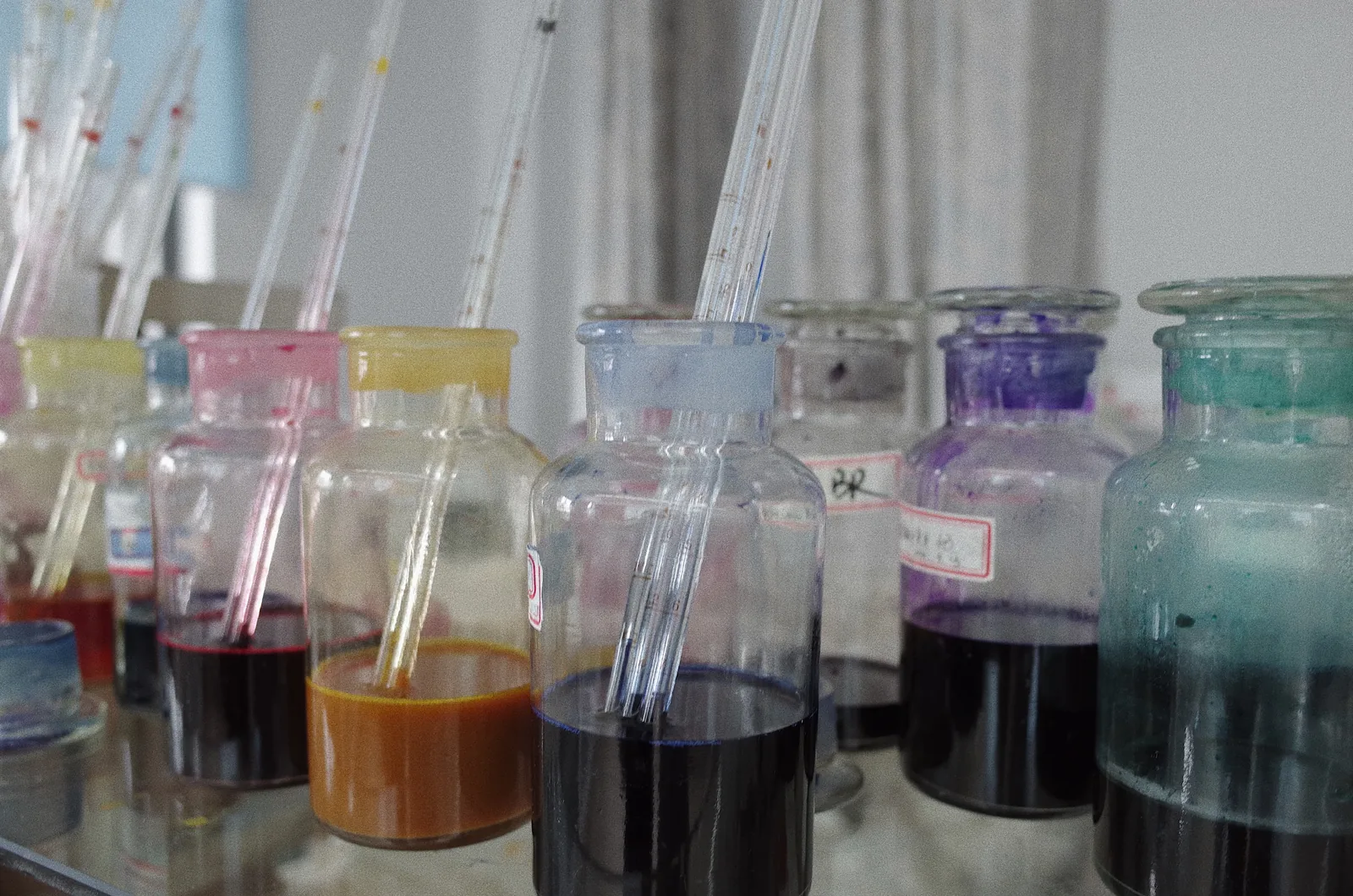
Turn subjective fabric expectations into comparable GSM, width, colourfastness, shrinkage, pilling and inspection requirements.
40 focused questions in this cluster
Recommended decision path
Each question can stand alone, but these four gates keep sample enthusiasm from outrunning a measurable bulk plan.
Record the decision, responsible party and evidence before moving to the next gate.
Record the decision, responsible party and evidence before moving to the next gate.
Record the decision, responsible party and evidence before moving to the next gate.
Record the decision, responsible party and evidence before moving to the next gate.
Question library
wool fabric GSM
There is no universal correct GSM. Set a target range from the garment, construction, climate and finish, then confirm conditioned test results a…
↗wool fabric width
Nominal width may include edges or unstable areas that cannot enter the marker. Specify finished usable width, measurement method and tolerance s…
↗wool blend composition
State the labelled blend, acceptable tolerance, test method and which party supplies verification. Composition should match marketing and care cl…
↗wool fabric shrinkage
Test the finished fabric under the intended care or relaxation process, in both warp and weft, and agree limits before production. Garment pressi…
↗wool fabric pilling test
A pilling grade is meaningful only with the named test method, cycle count and approved visual standard. Fibre blend, yarn, construction and fini…
↗wool fabric colourfastness to washing
Use the care method expected for the garment. If a wool item is dry-clean only, washing tests may not be the sole decision point; washable blends…
↗wool fabric rubbing fastness
Dry and wet rubbing simulate colour transfer under different contact conditions. Deep shades, raised surfaces and piece-dyed fabrics can behave d…
↗wool fabric lightfastness
Lightfastness matters for garments or displays exposed to sustained light, particularly pale, bright or sensitive shades. Define the test method…
↗water repellent wool fabric
Define the intended level of repellency, test method, durability and handfeel constraints. Water repellent is not the same as waterproof, and any…
↗wool fabric handfeel
Handfeel is partly sensory, so combine a sealed physical standard with measurable construction, weight, finish and conditioning. Use a small trai…
↗wool fabric nap direction
A directional nap changes colour appearance and normally requires one-way cutting, increasing consumption. Buyers should confirm the face, brush…
↗wool fabric tensile strength
Strength checks are useful when fabric is lightweight, raised, loosely woven, heavily milled or used in stressed garment areas. Select methods an…
↗wool fabric seam slippage
Seam slippage occurs when yarns shift away from the seam under load. Open constructions, smooth yarns and unsuitable stitch settings raise risk,…
↗wool blend abrasion resistance
Abrasion testing helps compare fabrics for repeated friction, but it must be paired with pilling, appearance and comfort. Set method and cycles a…
↗wool blend stretch recovery
Stretch is extension under load; recovery is how well the fabric returns after that load. Apparel needs both, with methods, direction and rest ti…
↗four point fabric inspection
A four-point system records visible defects by size and roll area, helping buyers compare roll quality and plan cutting. It does not replace shad…
↗wool fabric conditioning before weighing
Moisture and specimen preparation can affect mass comparison. Name the conditioning and measurement method, use representative specimens and reta…
↗wool fabric GSM cutter calibration
Verify specimen area, cutter condition, balance suitability, units and conditioning before attributing a discrepancy to the mill. Compare matched…
↗wool fabric GSM across width
Mark consistent left, centre and right usable-width positions and repeat them along the roll under the agreed method. Record individual results r…
↗wool fabric linear weight GSM conversion
Linear mass includes a stated width; GSM describes mass per area. For example, 750 grams per linear metre at 1.5 metres width equals 500 GSM when…
↗wool fabric width after relaxation
Define the finished usable-width method and the relaxation condition relevant to cutting. Compare nominal, delivered and relaxed usable widths wi…
↗wool fabric shrinkage result direction sign
Confirm the report's sign convention and retain initial and final measurements by warp and weft. Some reporting conventions express contraction a…
↗wool fabric relaxation vs felting shrinkage
Compare dimensional change, surface consolidation, recovery and the applied care conditions. Relaxation and progressive felting are different mec…
↗wool fabric steam wash shrinkage
No. Steam pressing and washing expose the fabric to different conditions. Define the making process and the final care claim, then select the rel…
↗wool fabric pilling rating stage
Confirm the named method, exposure stages, evaluation conditions and representative specimen. Compare grades at equivalent stages against the agr…
↗wool fabric pilling vs fuzzing
Compare labelled photographs and retained specimens showing loose surface fibres, fibre clusters and matting separately. Apply the relevant test…
↗wool fabric abrasion endpoint comparison
Not directly. Identify the method, abrasive, load, specimen and whether the endpoint is yarn breakage, appearance change or another criterion. Ma…
↗wool fabric seam slippage load opening
Record the method, seam construction, fabric direction and whether the result reports opening at a stated load or load at a stated opening. These…
↗wool fabric seam strength vs slippage
No. Thread or seam strength and yarn movement describe different failure modes. Inspect the loaded seam and identify whether thread breaks, fabri…
↗wool fabric grab strip tensile comparison
Treat them as different procedures unless the responsible laboratory confirms a valid comparison. Record specimen preparation, direction, method…
↗wool fabric tear tensile strength difference
Tear propagation and direct tensile loading challenge construction differently. Review the garment damage scenario and relevant methods rather th…
↗wool fabric rubbing staining result
Confirm the method and rating basis, including dry or wet rubbing, tested face and receiving cloth. Transfer staining and change in the fabric's…
↗wool fabric colour staining lining trims
Use the proposed care route and representative shell, lining and trims to assess transfer or staining. Review applicable laboratory evidence alon…
↗wool fabric retail display fading
Document exposure position, lighting, duration and comparison material, then identify a relevant lightfastness assessment. Different shades and f…
↗wool fabric pH test result review
Use the applicable buyer requirement and a named laboratory method with sample preparation and article identity. Do not apply a universal limit f…
↗wool fabric restricted substance test selection
Define the destination, intended garment, customer requirements and exact claim, then ask a qualified laboratory to confirm applicable methods an…
↗wool fabric test result rounding
Ask the laboratory to explain reporting precision, method uncertainty where applicable and the agreed decision rule. Do not invent an extra toler…
↗wool fabric laboratory method deviations
Identify the changed preparation, equipment or evaluation step and ask the laboratory how it affects interpretation. Compare the result only with…
↗wool fabric softener change testing
Compare the revised finished sample with the original for handfeel, shade, surface and the garment properties affected by the route. Discuss rele…
↗wool fabric thickness measurement pressure
Record the method, measuring pressure, area, conditioning and sample location before comparing thickness. Raised cloth compresses during measurem…
↗
Search intent: turn a reference into a controlled brief
A colour page or development diagram cannot prove the final weight, usable width, shrinkage, pilling result or lightfastness of a proposed fabric. Convert the visual reference into a controlled specification: identify the article, revision, target and tolerance, conditioning, test method, sampling stage and release authority. Then separate development evidence from production-finished evidence.
This is especially important for woolen surfaces because finish, moisture, colour and construction can change the result after the first cutting. Ask Fred Textile which result is a target, which is a measured sample result and which still requires bulk confirmation.
Specifications controlled through production
Composition, finished GSM, usable width, colour, handfeel and performance are linked to the manufacturing route. The order file should keep the approved physical reference, method, tolerance and decision owner visible from development through final inspection.
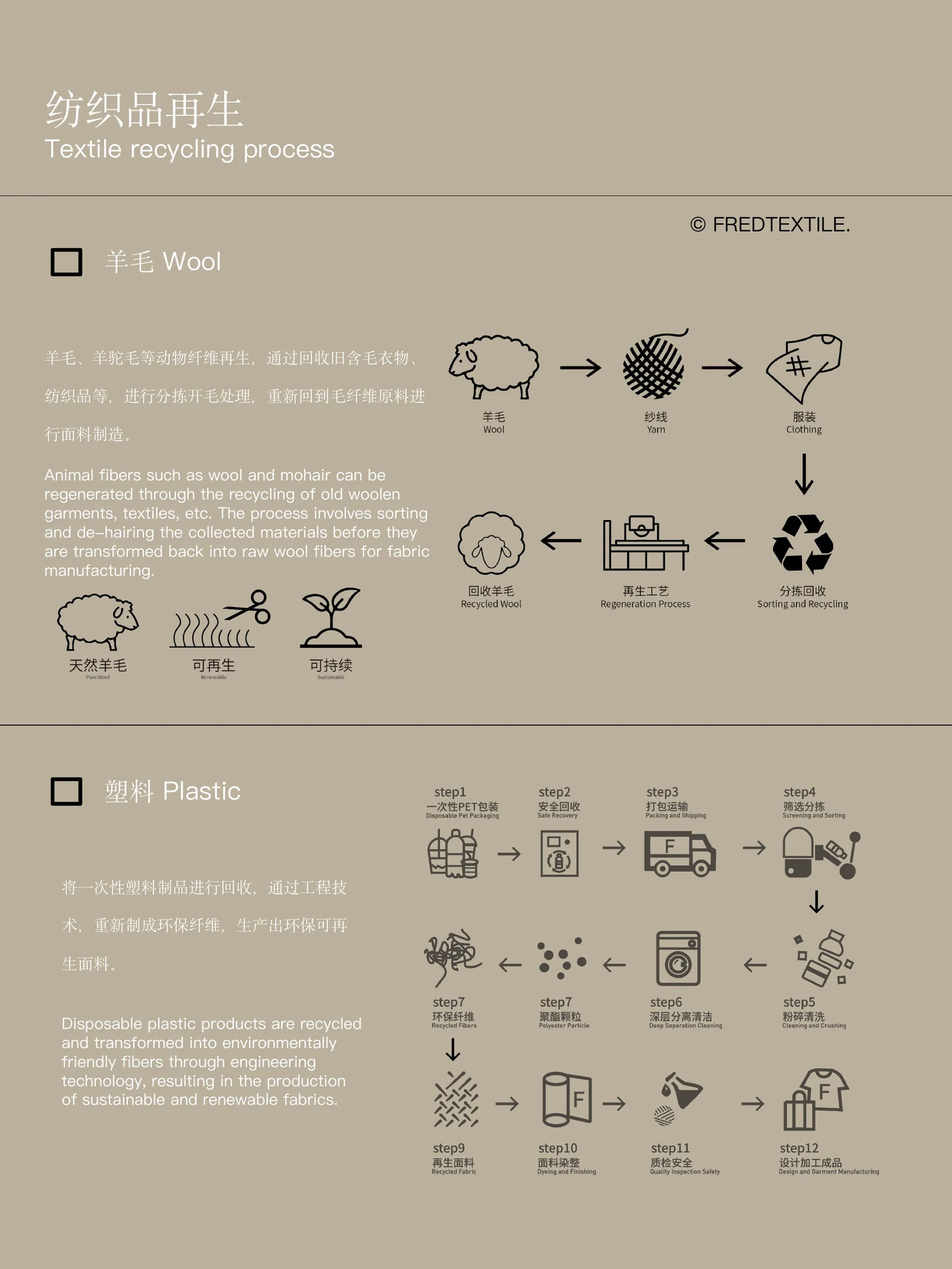
Our integrated scope covers top dyeing, spinning, weaving, finishing, inspection and shipment coordination. Collection directions include classic woolen styles, firm single-faced blends, double-faced constructions, hairy special programs and recycled-material development.
Prepare colour and blended fibre direction before yarn formation.
Air and mule spinning support woolen and blended yarn preparation.
Build solids, checks, herringbones and structured woven constructions.
Develop piece-dyed colour, surface, handfeel and dimensional result.
Review colour, appearance, handfeel and agreed measurable controls.
Coordinate final inspection, order records and shipment arrangement.
Source boundary: capacity, staffing, investment and operating-day figures above are the published company-profile snapshot. Available capacity, construction, tests, certification scope, MOQ, price and lead time must be confirmed for the actual order.
Use the guides to prepare the brief
Fred Textile supports OEM and ODM development from order confirmation and raw-material allocation through spinning, weaving, finishing, final inspection and shipment. MOQ, testing, delivery and payment terms remain subject to the fabric program and contract.