wool fabric for coats
Wool Fabric for Coats: Choose Weight, Drape & Finish
Start with the coat silhouette, climate, lining plan and target retail use, then choose weight, blend, surface and drape. Coat fabric should be t…
↗Start from the garment
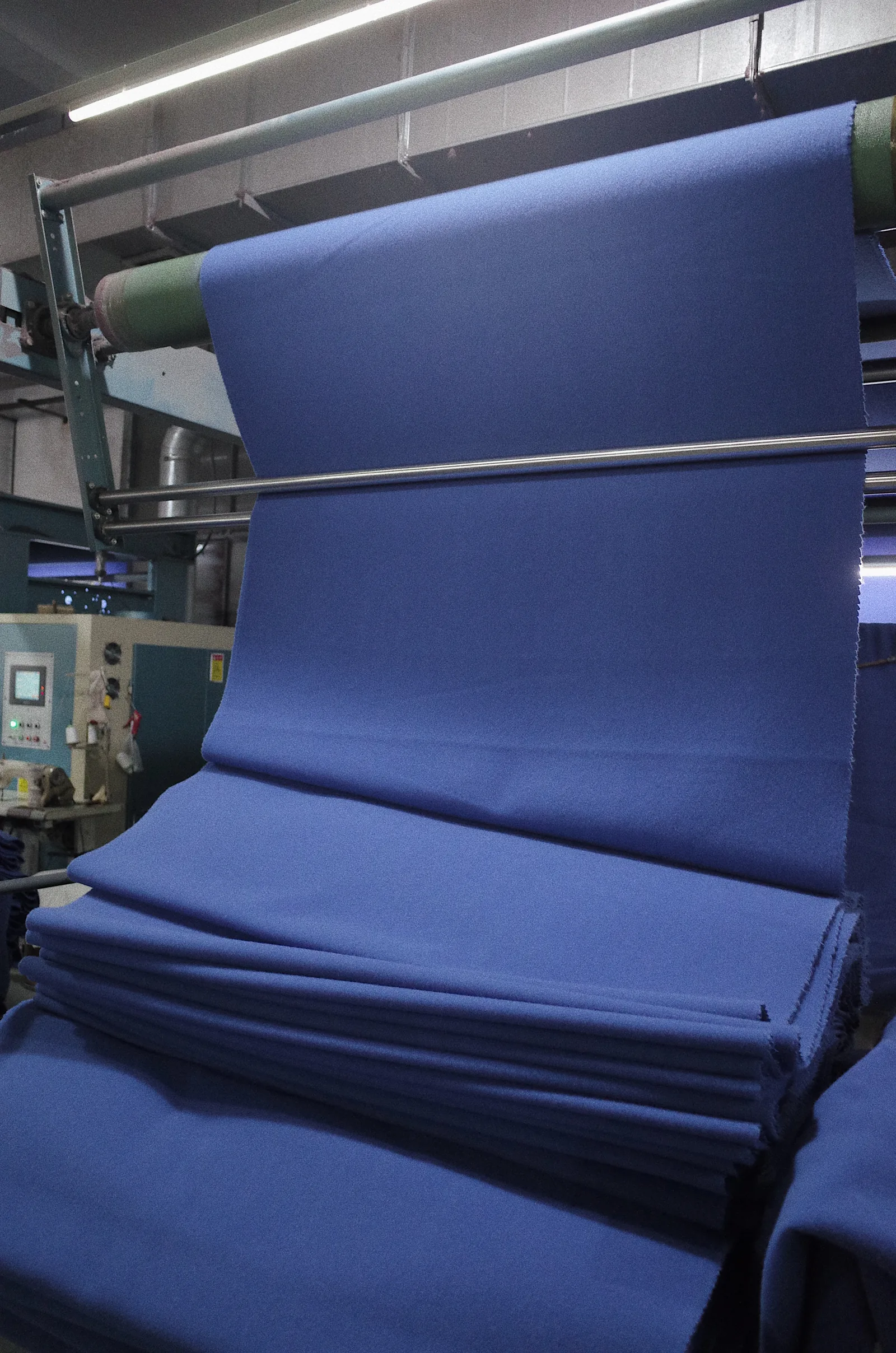
Translate coat, blazer, trouser, uniform and accessory briefs into fabric requirements a mill can quote and produce.
28 focused questions in this cluster
Recommended decision path
Each question can stand alone, but these four gates keep sample enthusiasm from outrunning a measurable bulk plan.
Record the decision, responsible party and evidence before moving to the next gate.
Record the decision, responsible party and evidence before moving to the next gate.
Record the decision, responsible party and evidence before moving to the next gate.
Record the decision, responsible party and evidence before moving to the next gate.
Question library
wool fabric for coats
Start with the coat silhouette, climate, lining plan and target retail use, then choose weight, blend, surface and drape. Coat fabric should be t…
↗wool fabric for overcoats
Prioritize thermal structure, finished weight, drape, seam bulk, surface durability and comfortable wear. A heavier number is not automatically w…
↗melton fabric for pea coats
Select a compact melton with enough body for the short double-breasted silhouette, stable button areas and a smooth, even face. Confirm weight an…
↗wool fabric for blazers
Blazer fabric needs the right balance of body, drape, recovery, surface and pressing behaviour for the intended construction. Soft casual jackets…
↗wool fabric for suits
Define whether the suit needs a soft woolen character or a clean worsted-like appearance, then control drape, recovery, surface, shade and pressi…
↗wool blend fabric for trousers
Trouser fabric needs stable width and weight, recovery at knees and seat, abrasion resistance, seam security and comfortable handfeel. The blend…
↗wool fabric for skirts
Choose by silhouette, drape, opacity, skin contact, lining choice and seam behaviour. The best cloth is often lighter and more fluid than coat fa…
↗wool blend uniform fabric
Uniform fabric should be engineered around wear frequency, care method, abrasion, pilling, shade continuity and reorderability. A stable commerci…
↗school uniform wool blend fabric
Balance softness and breathability with abrasion, pilling, easy care and colour stability. The specification should reflect daily wear, repeated…
↗wool blend workwear fabric
A wool blend can suit professional workwear that needs appearance, warmth and recovery, provided abrasion, care, colourfastness and movement are…
↗double-face fabric for reversible coats
Develop both colours and surfaces as visible garment faces, then test edge splitting, hand finishing, weight, drape and seam construction. The fa…
↗wool fabric for winter jackets
The answer depends on insulation system, wind exposure, garment activity, lining and target silhouette. Wool fabric can provide warmth and charac…
↗wool fabric for women's outerwear
Translate each silhouette into a fabric brief covering drape, weight, surface, colour, lining and sewing detail. One base cloth rarely serves fit…
↗wool fabric for children's coats
Prioritize soft handfeel, low irritation, manageable garment weight, secure seams, colourfastness and applicable restricted-substance requirement…
↗wool fabric for scarves
Scarves and accessories need greater attention to softness, edge finishing, shedding, colour transfer and lightweight drape. A coat-worthy surfac…
↗wool fabric for capes
Large unstructured panels require drape, balanced weight, stable edges, attractive reverse appearance and controlled nap. Because more fabric rem…
↗wool fabric unlined garment approval
Review the exposed reverse, skin-contact zones, seam finish, pocketing, friction and opacity. An approved shell swatch for a lined coat may not s…
↗oversized wool coat sagging
Review fabric recovery, garment weight, shoulder support, seam placement and hanging conditions together. An oversized pattern changes load paths…
↗belted wool coat fabric creasing
Compare folded and compressed fabric around the belt, loops and overlapping front under realistic wearing tension. Assess persistent creases, gla…
↗wool fabric pocket mouth stretching
Compare pocket orientation, shell recovery, support tape or interlining, seam allowance and handling load. Trial a supported and unsupported open…
↗wool fabric lapel roll approval
Make a representative lapel with the proposed shell, interlining, stitching and pressing route. Compare roll position and recovery after hanging…
↗wool fabric raglan sleeve bias
Raglan seams and cut panels can expose different yarn directions to handling and load. Compare paired directional panels after relaxation, sewing…
↗wool fabric pleat retention
Define whether pleats should remain sharp or soften, then trial the proposed pressing, stitching and care route. Compare shape, dimensional chang…
↗wool fabric elbow knee bagging
Identify repeated flexing and loading areas, then compare recovery on representative fabric and garment panels. Review lining, fit and constructi…
↗wool fabric uniform replacement matching
Use retained unused material when possible and separate wear fading from the original standard. Compare current shade, construction, handfeel and…
↗wool uniform seat wear investigation
Map the wear location and inspect the fabric, seam construction, fit, usage and care records. Compare affected garments with retained cloth and a…
↗wool fabric scarf fringe security
Trial the intended fringe length, edge finish and handling on representative finished cloth. Compare yarn pull-out, shedding and appearance after…
↗wool fabric cape edge waving
Compare the edge grain, cut shape, binding or facing tension and pressing route. Curved or bias sections can behave differently from straight edg…
↗
Search intent: turn a reference into a controlled brief
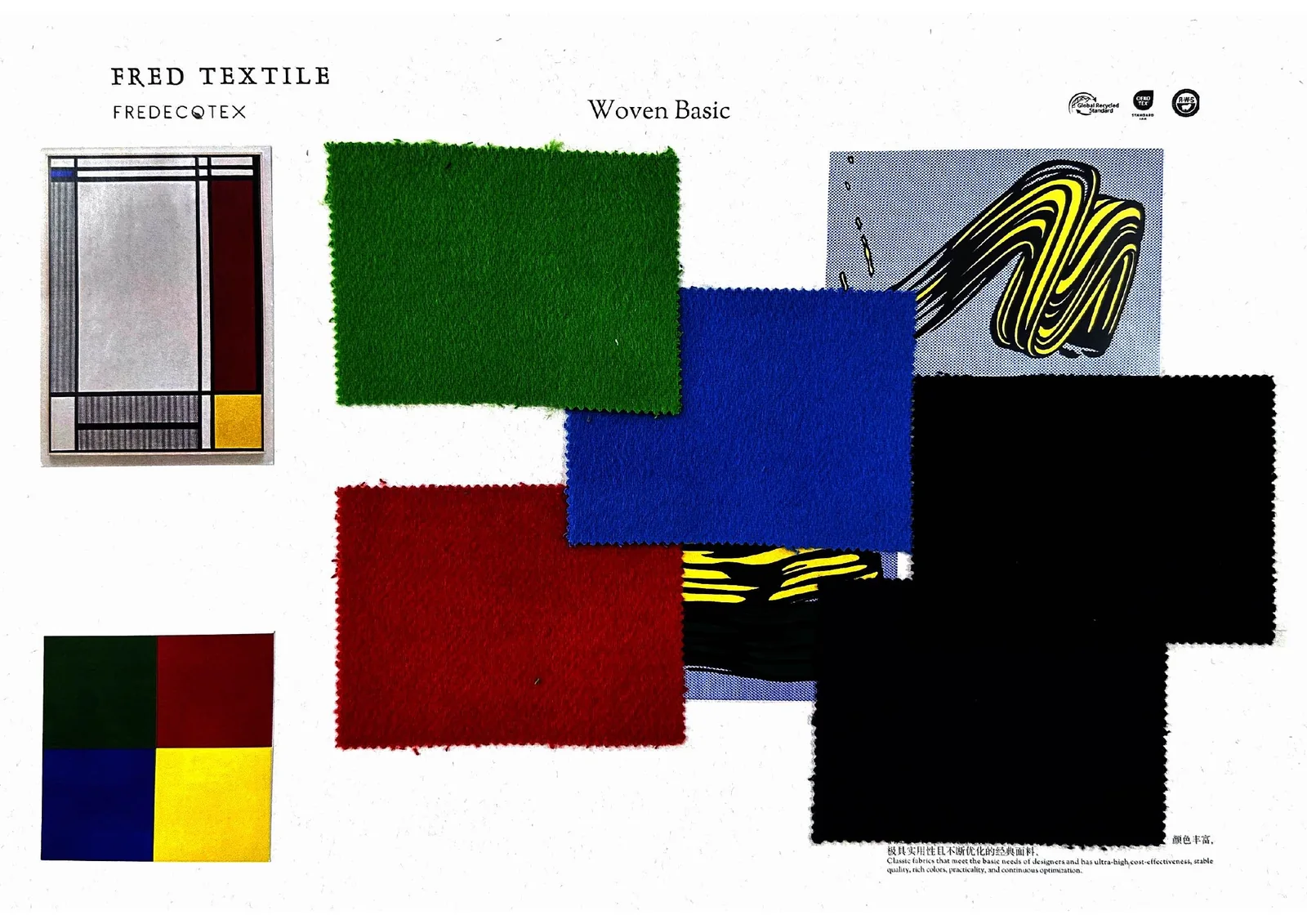
A seasonal board can help a design team agree a colour and surface mood, but a coat, blazer, trouser or uniform still needs its own build assumptions. Record lining, silhouette, climate, seam detail, pressing, care route and target handfeel before selecting a swatch. The same visual direction may require a different weight, construction or finish in an unlined coat than in a structured jacket.
Send the garment sketch or reference with the selected Fred Textile direction. The fastest useful response is a discussion of the complete garment decision—rather than a promise that a similar-looking swatch will solve every silhouette.
Garment intent translated by Fred Textile
A coat, blazer, trouser or uniform brief becomes useful only when the expected warmth, structure, drape, handfeel, wear and care route are translated into material, yarn, weave, weight and finishing decisions.
Our integrated scope covers top dyeing, spinning, weaving, finishing, inspection and shipment coordination. Collection directions include classic woolen styles, firm single-faced blends, double-faced constructions, hairy special programs and recycled-material development.
Prepare colour and blended fibre direction before yarn formation.
Air and mule spinning support woolen and blended yarn preparation.
Build solids, checks, herringbones and structured woven constructions.
Develop piece-dyed colour, surface, handfeel and dimensional result.
Review colour, appearance, handfeel and agreed measurable controls.
Coordinate final inspection, order records and shipment arrangement.
Source boundary: capacity, staffing, investment and operating-day figures above are the published company-profile snapshot. Available capacity, construction, tests, certification scope, MOQ, price and lead time must be confirmed for the actual order.
Use the guides to prepare the brief
The public collection library covers classic woolen styles, single-faced and double-faced blended weaves, hairy fibre directions and recycled-material programs.