Problems & Solutions
Wool Fabric Shade Variation: Diagnose and Separate Rolls
What should buyers do when wool-fabric rolls vary in shade?
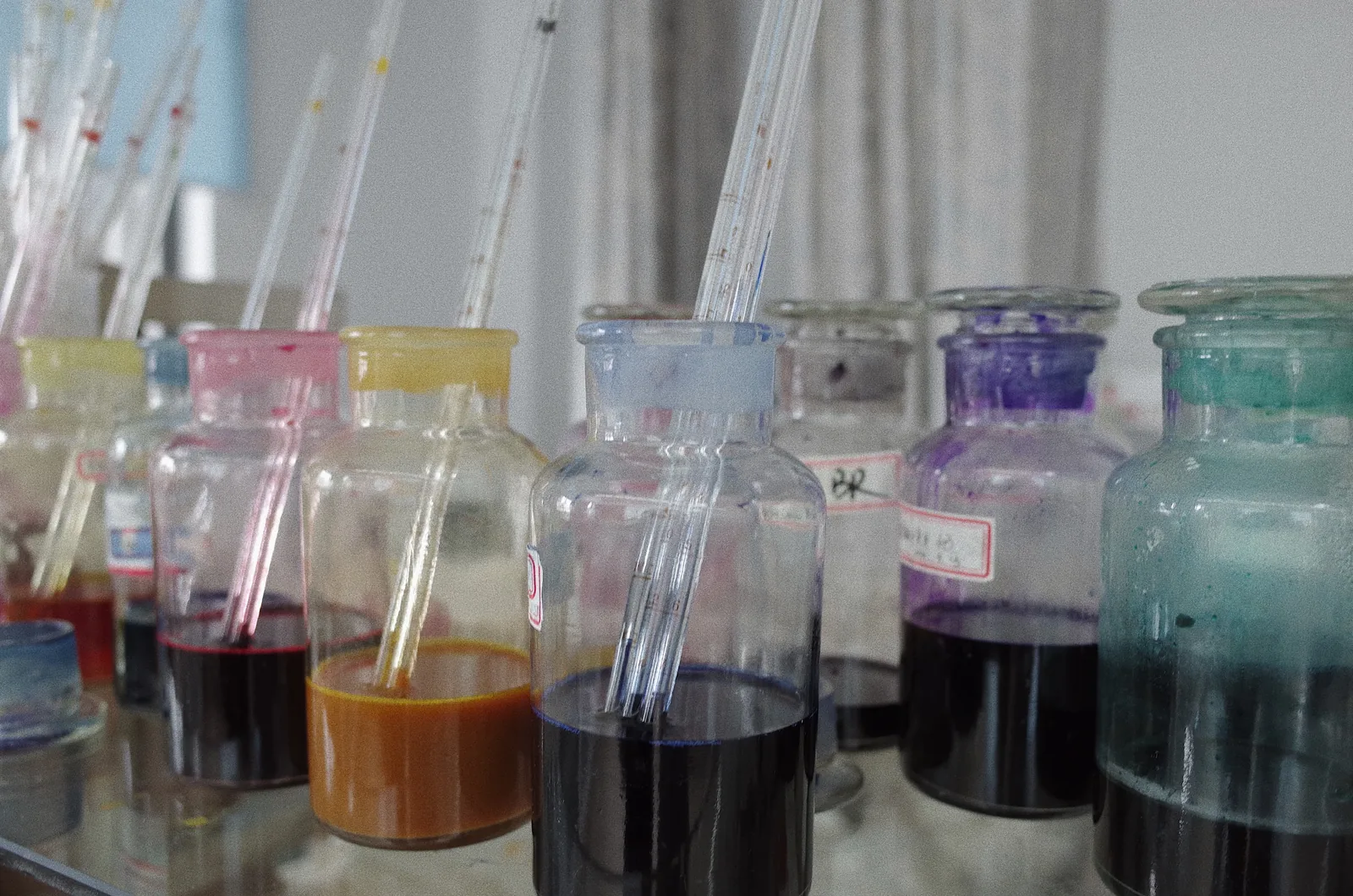
Is it a dye-lot difference, a nap effect or the viewing light?
Pause mixing rolls into one cutting lay. First confirm that the apparent difference survives a controlled comparison. A phone photograph alone cannot distinguish a real colour mismatch from exposure, lighting or the direction of a raised surface.
Make the comparison repeatable
Lay the approved reference and roll samples flat, with the same face and nap direction, after comparable conditioning. View them under the agreed light sources. If the match changes with the light source, investigate metamerism; if rotating one sample changes it, examine direction first.
Map the extent, not just the average
Record roll and dye-lot IDs, sampled positions and edge-to-centre observations. Group only rolls that actually match under the agreed assessment. A roll-average colour result can hide a stripe, shaded edge or head-to-tail change that affects individual panels.
Protect garment panel matching
Keep cutting bundles traceable to compatible rolls and lots. Mark face and direction on the cutting instruction. If the difference remains unacceptable, retain unprocessed evidence and agree a trial disposition; re-dyeing or refinishing can also change handle, dimensions and strength.
When can the order move forward?
Release only the documented shade groups accepted for the garment, with any restricted use stated in writing. Test a proposed correction on representative cloth and recheck colour and fabric properties before applying it to the lot.
Fred Textile
Send Fred Textile the approved reference, roll map, comparison lighting, photographs with sample IDs and affected metres. State whether the cloth is uncut, cut or already sewn.
mrkcal@fredtextile.comDecisions for this fabric question
- True colour difference versus nap effect
- Roll grouping
- Garment panel matching
Evidence and specification checklist
- Approved standard and light sources
- Roll shade map
- Tolerance and grouping rules
- Replacement plan
Mistakes and practical controls
Opposite nap is read as shade variation
Align direction
Mixed lots enter one garment
Segregate rolls
Averages hide outliers
Review roll-level data
Fred Textile
Fred Textile manufacturer context
Fred Textile is the operating brand of Fengruide (Suzhou) Textile Technology Co., Ltd., a woven woolen and blended fabric manufacturer in China. Composition, tests, certification scope, price, MOQ and delivery require written confirmation for the actual order.
FAQ
Practical buyer guide
What should buyers do when wool-fabric rolls vary in shade?+
First standardize lighting, nap direction and conditioning, then map each roll against the approved standard. Segregate compatible shade groups for cutting and investigate dye lot, finishing and moisture causes before deciding disposition.
Which decisions change the right wool fabric shade variation specification?+
The main decision variables are True colour difference versus nap effect, Roll grouping, Garment panel matching. Define them against the garment, wearing climate, care route and target market before comparing samples. A supplier should explain how the proposed construction and finish deliver those outcomes, and the buyer should retain a conditioned physical reference for bulk comparison.
What should an RFQ and bulk approval include for wool fabric shade variation?+
Include Approved standard and light sources, Roll shade map, Tolerance and grouping rules, Replacement plan. State the test or inspection method, unit, tolerance, sample stage, quantity by colour, intended garment and approval owner. Before bulk release, review these predictable risks: Opposite nap is read as shade variation: Align direction. Mixed lots enter one garment: Segregate rolls. Averages hide outliers: Review roll-level data.