Sourcing & Ordering
Compare Wool Fabric Quotes: Units, Usable Width and Yield
How can buyers compare quotations that use different assumptions?
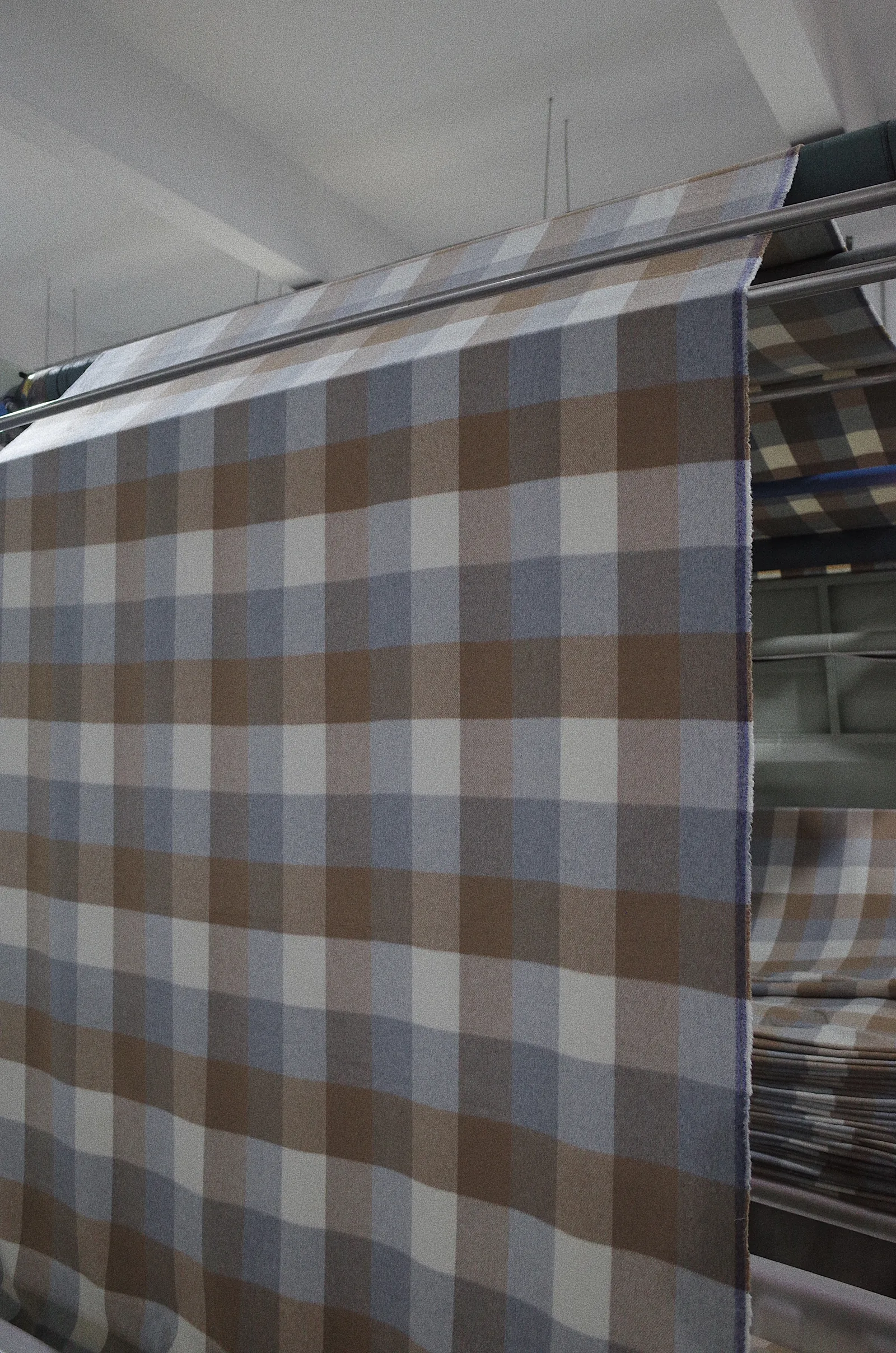
A cheaper metre can produce a more expensive garment
Compare offers for the same approved article, finish and order split before ranking price. A narrower usable width, directional nap or larger pattern repeat can increase consumption. The useful decision is the cost of cloth that can make the required garments.
Normalize the units and included scope
State currency and whether the price is per metre, yard or kilogram. One yard is 0.9144 metre. For a kilogram quote, use conditioned net fabric mass and the stated width; kilograms per linear metre equal GSM × width in metres ÷ 1000 on a consistent basis. Exclude cores and packaging from fabric weight.
Check usable yield with the actual marker
Distinguish total width from usable width after selvedges and accepted edge defects. Use the same sizes, nap direction and pattern-matching rules for each marker trial. Price per usable square metre equals price per linear metre divided by usable width, but it still does not replace garment-marker consumption.
Compare the full approved-order cost
Record sample or development costs, testing, packing, agreed quantity tolerance, delivery scope, quote validity and exclusions. Apply the same destination and transport assumptions when estimating landed cost. Separate confirmed costs from estimates; settle the treatment of short length, rejected cloth and rework before accepting the cheapest headline.
When can the order move forward?
Choose after physical approval and equivalent marker or consumption trials, with a written quotation that identifies the cloth, colours, quantity, unit and included services. Record why a substitute is acceptable before changing composition or finish.
Fred Textile
Send Fred Textile the competing quotation fields, target garment and size mix, required usable width, colours, metres and delivery destination. Ask for an offer on the same scope; redact other suppliers' confidential details.
mrkcal@fredtextile.comPractical sourcing decision
Which quotation gives the better usable fabric value?
Normalize the technical and quantity basis before judging the unit price. The same fabric name can cover different blends, widths and finish routes. A cheaper metre may supply less usable area or require a less efficient marker. Keep currency and commercial delivery terms the same, then calculate garment consumption from the approved construction.
| Decision | Option or check | What to compare |
|---|---|---|
| Price per metre | Convert to price per square metre using usable width. | A narrower roll supplies less area for each linear metre. |
| Order and colour quantities | Compare each colour against the quoted minimum and surcharge. | A total-volume price may not apply to a fragmented order. |
| Quality and finishing | Compare composition, surface reference and named tests. | A different finish may change pilling, handfeel or sewing behaviour. |
Put the decision into practice
Hypothetical comparison: 12 currency units per metre at 1.50 m usable width equals 8 per square metre. A second offer at 11 per metre and 1.35 m equals about 8.15 per square metre. The second is cheaper per metre but dearer by area. Final garment cost still depends on marker yield, pattern matching, accepted defects and freight; these are examples, not Fred Textile prices.
Your next buying question
Discuss your fabric with Fred Textile
Send your reference, garment use, composition, finished weight and width, colour quantities and target delivery. Ask which sample and production route can be supported for your project.
mrkcal@fredtextile.comDecisions for this fabric question
- Equivalent physical product
- Equivalent commercial scope
- Risk and service included
Evidence and specification checklist
- Price unit and usable width
- MOQ and colour breakdown
- Included tests and packing
- Incoterm, payment and validity
Mistakes and practical controls
Quotes describe different fabrics
Build a comparison matrix
Freight is mixed with product cost
Separate landed-cost elements
Validity expires during development
Confirm the decision timeline
Fred Textile
Fred Textile manufacturer context
Fred Textile is the operating brand of Fengruide (Suzhou) Textile Technology Co., Ltd., a woven woolen and blended fabric manufacturer in China. Composition, tests, certification scope, price, MOQ and delivery require written confirmation for the actual order.
FAQ
Practical buyer guide
How can buyers compare quotations that use different assumptions?+
Normalize the fabric specification, usable width, quantity, test scope, packing, incoterm, payment and lead time before comparing price. A low metre price can be offset by narrow width, higher consumption or excluded services.
Which decisions change the right compare wool fabric quotes specification?+
The main decision variables are Equivalent physical product, Equivalent commercial scope, Risk and service included. Define them against the garment, wearing climate, care route and target market before comparing samples. A supplier should explain how the proposed construction and finish deliver those outcomes, and the buyer should retain a conditioned physical reference for bulk comparison.
What should an RFQ and bulk approval include for compare wool fabric quotes?+
Include Price unit and usable width, MOQ and colour breakdown, Included tests and packing, Incoterm, payment and validity. State the test or inspection method, unit, tolerance, sample stage, quantity by colour, intended garment and approval owner. Before bulk release, review these predictable risks: Quotes describe different fabrics: Build a comparison matrix. Freight is mixed with product cost: Separate landed-cost elements. Validity expires during development: Confirm the decision timeline.