Yarns, Weaves & Construction
Same Pattern, Different Weave: Reapprove Wool Fabric Behaviour
Can a changed weave be accepted because the colour pattern looks the same?
01 · Choose the next action
Three decisions before committing material
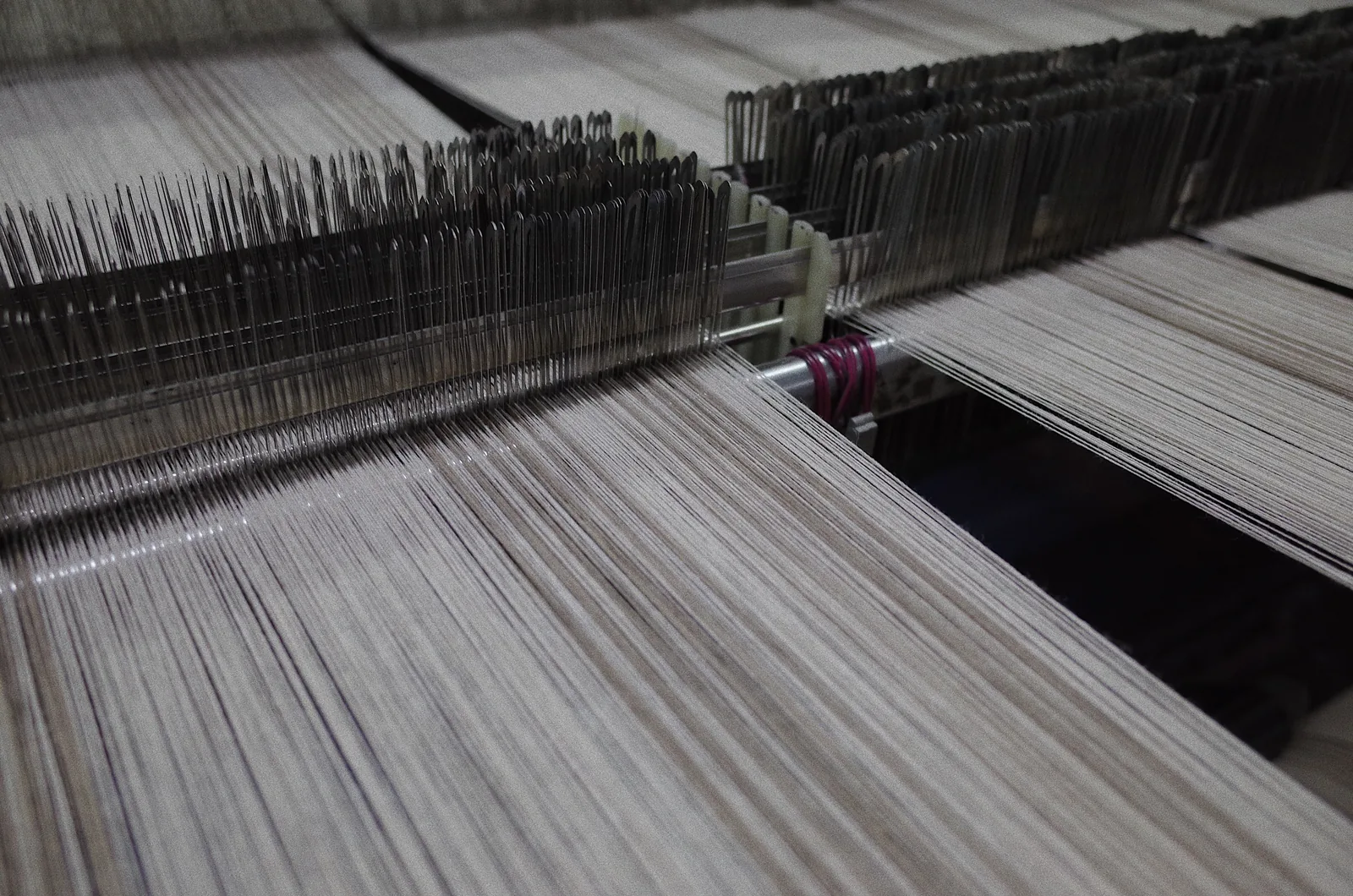
Compare underlying interlacing
Identify performance effects
Reapprove physical behaviour
Separate what has been observed from what has been inferred. Identify the material, order revision and intended garment before deciding whether the next step is a quotation clarification, a representative sample, a laboratory review or a making trial. Keep unresolved points open rather than treating a reassuring reply as final acceptance.
02 · Avoid the wrong remedy
Common mistakes and the corresponding checks
Pattern match means construction match
Inspect the weave
The reverse is overlooked
Compare both faces
Colour approval releases performance
Reopen affected approvals
A correction should address the identified mechanism or missing evidence. If a trial changes material, construction, finish or assembly, retain the original and revised identities together. Compare them under the same relevant conditions and record who may approve the result. Do not apply an unverified recovery method to all affected material.
03 · Make the question answerable
Send these four records with your enquiry
- Old and new weave description
- Full-width finished cuttings
- Affected test plan
- Written change authorization
For each record, mark what is confirmed, what is a target and what is still unknown. Keep the reference number, date, unit and specification revision visible where relevant. Photographs should retain lighting and location context; test figures should retain sample identity and method. An unknown value is a question to resolve, not permission to invent a specification.
Attach photos or reports manually in your email application. This link prepares a brief; it does not upload files, submit a form or create a confirmed order.
04 · Close the loop
What a usable decision record contains
Retain the original question, representative material, relevant comparison conditions, findings and agreed next action. State whether the decision applies to a development sample, particular colour, identified roll, production lot or complete garment. A limited approval must not silently become an approval of all material.
For a quotation question, confirm the revised quantity, production route and commercial terms in writing. For a quality issue, map affected and unaffected material separately and connect the proposed correction to a traceable trial. For a garment-making problem, test the actual layer stack and intended care where relevant. Keep unresolved material on hold until the responsible parties agree its disposition.
After receiving the answer, update the specification or approval record that production will actually use. Repeat orders should reference the accepted final state and disclose changed inputs, not copy an early development assumption.
05 · Evidence boundary
Manufacturer context and order-specific confirmation
The public collection library covers classic woolen styles, single-faced and double-faced blended weaves, hairy fibre directions and recycled-material programs.
Fred Textile's published company materials describe its manufacturing context. They do not establish the composition, stock, certification, test result or available capacity of this enquiry. Current price, MOQ, sample arrangements and delivery terms require confirmation for the actual program.
Fred Textile collections →Published 6 October 2026. This is a practical buyer guide, not a customer case study or a laboratory diagnosis. Editorial and source policy.
Questions before the next step
Can a changed weave be accepted because the colour pattern looks the same?+
A similar visual repeat can conceal different floats, density and yarn interlacing. Compare the technical construction and finished physical reference, then reassess affected seam, snag, drape and stability requirements. Colour-pattern approval does not cover an undisclosed weave change.
What should be confirmed before acting on this question?+
The decisions are: Compare underlying interlacing, Identify performance effects, Reapprove physical behaviour. Keep the observed condition, material identity and approval scope together. Compare relevant evidence before extending a conclusion to another colour, roll, lot or assembly.
Which evidence should accompany the enquiry?+
Prepare Old and new weave description, Full-width finished cuttings, Affected test plan, Written change authorization. Label confirmed facts separately from targets and open questions. The predictable errors to avoid are: Pattern match means construction match: Inspect the weave. The reverse is overlooked: Compare both faces. Colour approval releases performance: Reopen affected approvals.
Related decisions
All Yarns & Weaves questions →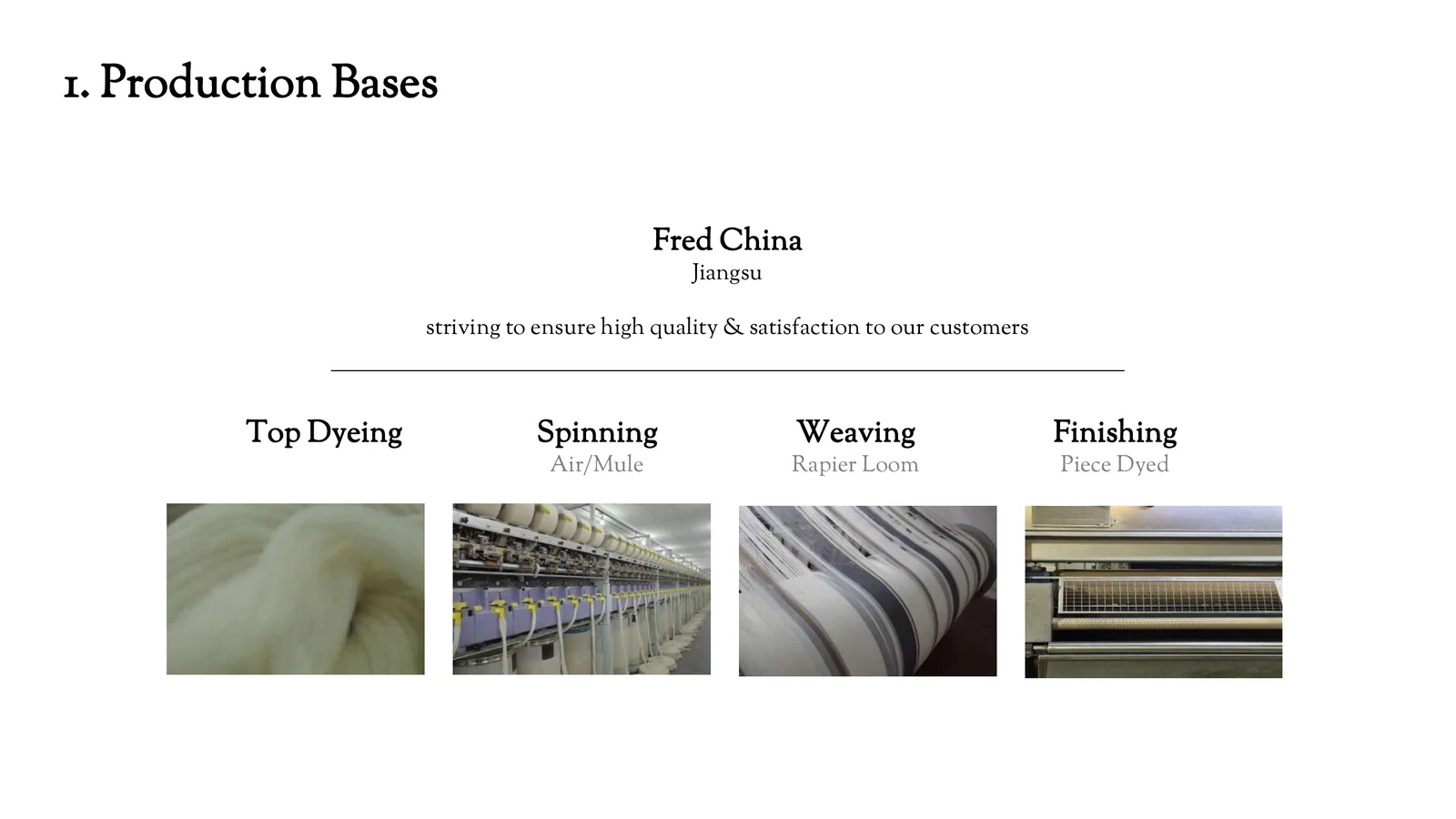
Search intent: turn a reference into a controlled brief
The production route helps buyers ask better yarn and weave questions.
Top dyeing, spinning, weaving and finishing are sequential decisions, not interchangeable labels. A fabric board may show the desired colour and surface, while yarn count, twist, ply, weave, density and finish determine how that appearance is built and how stable it remains. Ask for a controlled description of the proposed route before treating two swatches as equivalent.
For checks, herringbones and textured woolens, review a full-width woven trial and the final surface—not only yarn cards or screen artwork. This gives Fred Textile and the buyer a shared reference before the order reaches production.
Yarn and weave decisions inside Fred Textile production
Construction choices create the cloth before finishing refines it.
Fred Textile links woolen spinning, yarn preparation and rapier weaving to the required surface, weight, stability and pattern. Yarn count, twist, ply, density and weave should be reviewed as one production system.
Our integrated scope covers top dyeing, spinning, weaving, finishing, inspection and shipment coordination. Collection directions include classic woolen styles, firm single-faced blends, double-faced constructions, hairy special programs and recycled-material development.
Top dyeing
Prepare colour and blended fibre direction before yarn formation.
Spinning
Air and mule spinning support woolen and blended yarn preparation.
Rapier weaving
Build solids, checks, herringbones and structured woven constructions.
Finishing
Develop piece-dyed colour, surface, handfeel and dimensional result.
Inspection
Review colour, appearance, handfeel and agreed measurable controls.
Shipment
Coordinate final inspection, order records and shipment arrangement.
Source boundary: capacity, staffing, investment and operating-day figures above are the published company-profile snapshot. Available capacity, construction, tests, certification scope, MOQ, price and lead time must be confirmed for the actual order.