Problems & Solutions
Wool Fabric Shrinkage: Diagnose Steam, Care and Bulk Issues
Why can wool fabric shrink after approval?
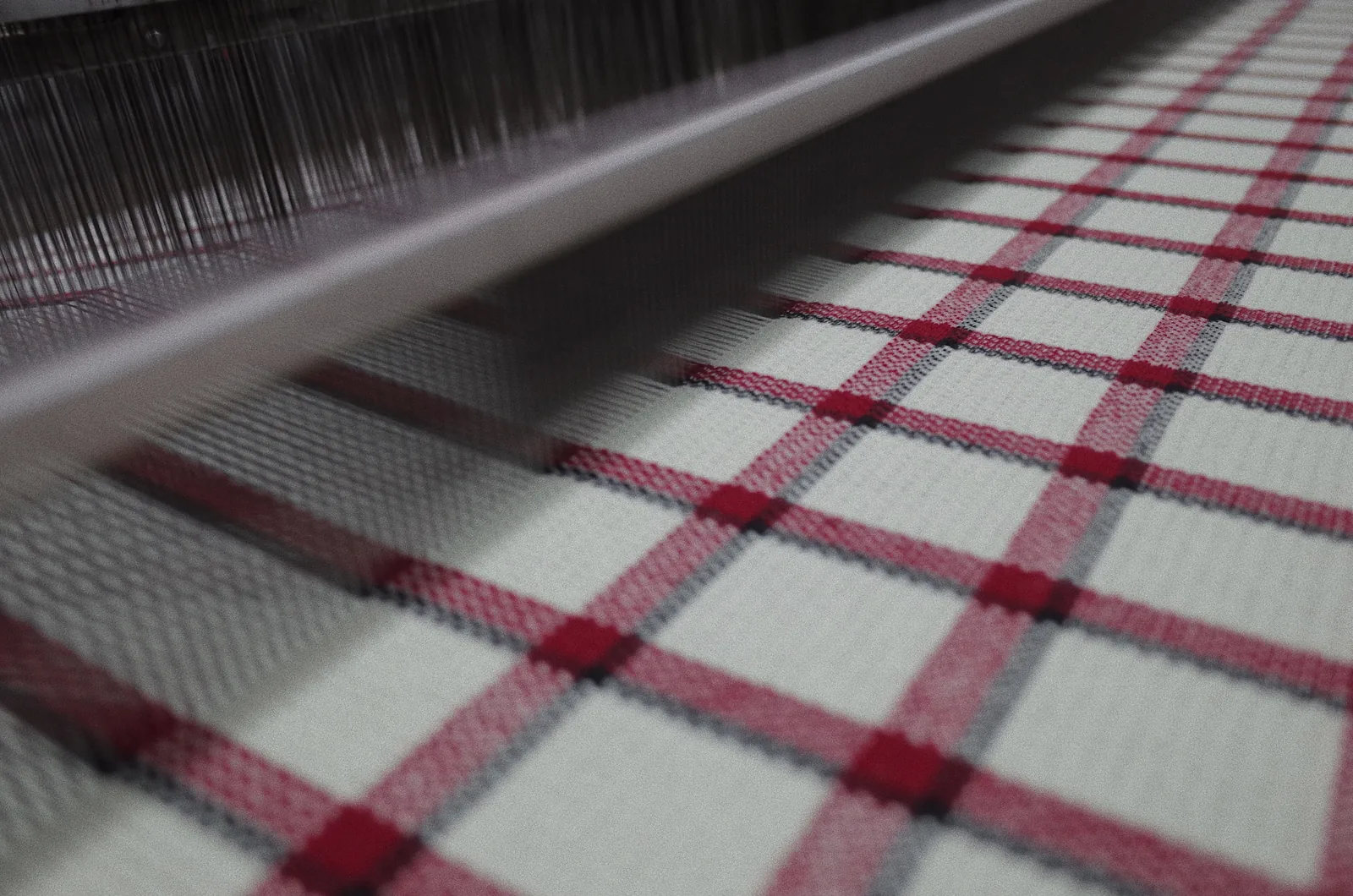
At which production step did the dimensions change?
Do not start by increasing every pattern piece. Separate relaxation, pressing, fusing and the intended care process. The same final size loss can arise through different routes, and a pattern allowance will not repair felting or incompatible garment components.
Preserve an untreated comparison
Identify the roll, finish and sample approval. Mark measurement points in both fabric directions before processing. Keep an untreated piece from the same cloth; a different sample lot is a weaker control because its construction or finish may differ.
Reproduce one process at a time
Compare measured pieces after relaxation, the actual production press, fusing where relevant and the specified care route. Record settings and allow the agreed recovery and conditioning before measuring. Hot, damp measurements should not be compared with a dry approved reference.
Check the garment, not only the shell
Measure shell, lining and interlining behaviour and examine seams, hems and surface density. A smaller, denser and matted surface may indicate felting. Do not promise to reverse it by stretching; trial any proposed correction and reassess appearance as well as size.
When can the order move forward?
Agree a method and acceptance limits for the actual garment use. Approve a corrected trial only after repeated relevant processing gives acceptable dimensions and appearance. Keep affected rolls on hold until the cutting plan and disposition are recorded.
Fred Textile
Send Fred Textile before-and-after measurements in both directions, roll IDs, care or press conditions, affected quantity and photographs. Include the original approval report where available.
mrkcal@fredtextile.comDecisions for this fabric question
- Felting versus relaxation
- Wet care versus heat
- Warp and weft behaviour
Evidence and specification checklist
- Approved method and result
- Bulk lot test
- Pressing and fusing trial
- Finish-process record
Mistakes and practical controls
Only home laundering is investigated
Include factory processes
Cutting starts before relaxation
Hold and remeasure
Bulk finish differs from sample
Compare recipes
Fred Textile
Fred Textile manufacturer context
Fred Textile is the operating brand of Fengruide (Suzhou) Textile Technology Co., Ltd., a woven woolen and blended fabric manufacturer in China. Composition, tests, certification scope, price, MOQ and delivery require written confirmation for the actual order.
FAQ
Practical buyer guide
Why can wool fabric shrink after approval?+
Shrinkage may come from fibre felting, insufficient dimensional setting, wet care, steam, fusing or delayed relaxation. Reproduce the actual garment process, measure both directions and compare development with bulk finishing records.
Which decisions change the right wool fabric shrinkage problem specification?+
The main decision variables are Felting versus relaxation, Wet care versus heat, Warp and weft behaviour. Define them against the garment, wearing climate, care route and target market before comparing samples. A supplier should explain how the proposed construction and finish deliver those outcomes, and the buyer should retain a conditioned physical reference for bulk comparison.
What should an RFQ and bulk approval include for wool fabric shrinkage problem?+
Include Approved method and result, Bulk lot test, Pressing and fusing trial, Finish-process record. State the test or inspection method, unit, tolerance, sample stage, quantity by colour, intended garment and approval owner. Before bulk release, review these predictable risks: Only home laundering is investigated: Include factory processes. Cutting starts before relaxation: Hold and remeasure. Bulk finish differs from sample: Compare recipes.